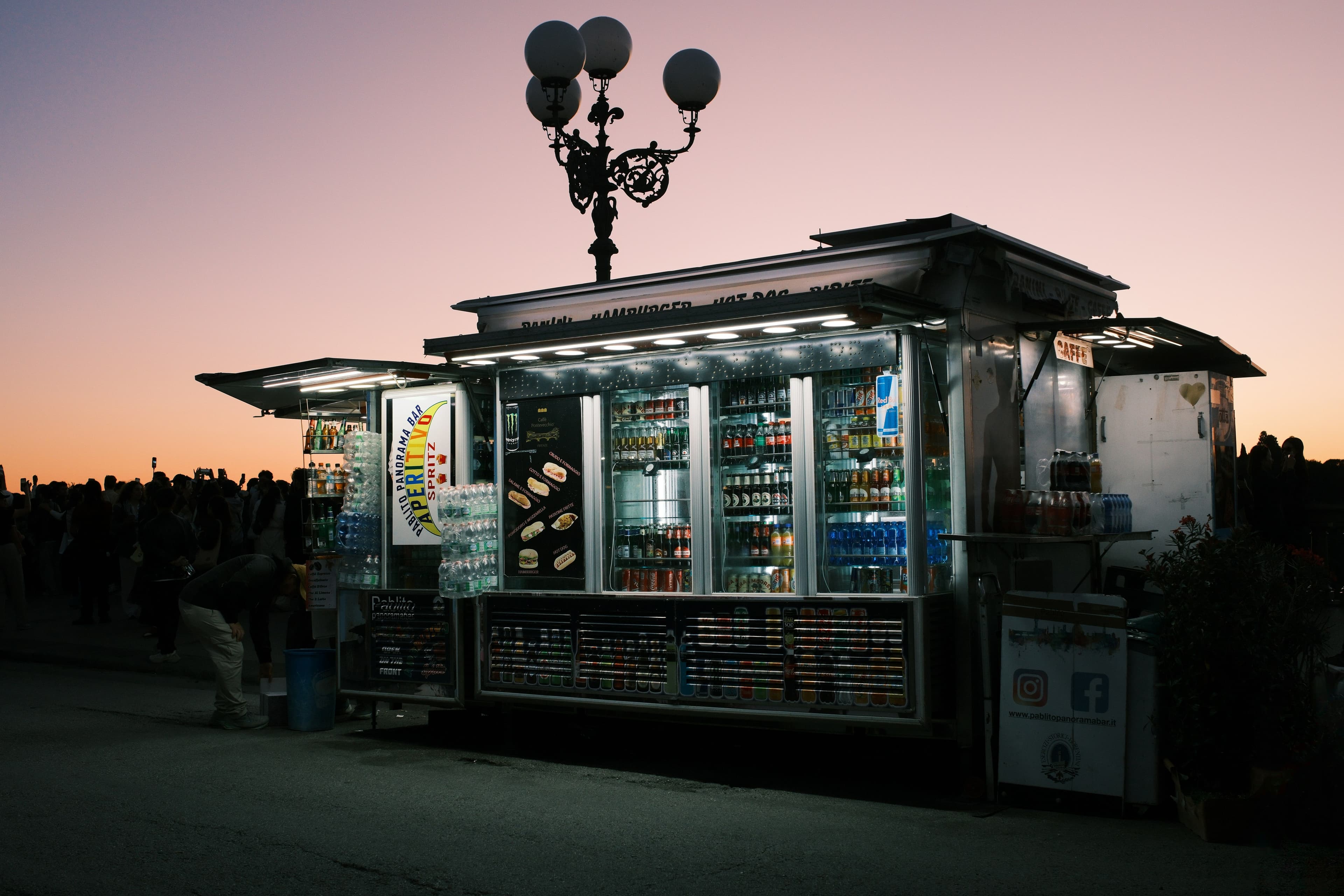
For market vendors, your pop-up tent is more than shelter—it's your brand, your storefront, and your protection against whatever weather comes your way. A flimsy tent that collapses in the wind or leaks in the rain can ruin your market day and damage your products. On the other hand, a quality canopy that's easy to set up and built to last makes every market day better.
This guide covers everything you need to know to choose the perfect pop-up tent for your vendor business, from budget options for beginners to professional-grade canopies for serious sellers.
What to Look for in a Vendor Tent
Before diving into specific recommendations, understand the key features that matter most for market vendors:
Frame Material and Construction
- Steel frames: Heavy but durable and affordable. Best for vendors who don't move frequently.
- Aluminum frames: Lightweight and rust-resistant. Easier to transport but more expensive.
- Commercial-grade connectors: Look for reinforced joints—this is where cheap tents fail first.
Canopy Material and Coverage
- Denier rating: Higher denier (300D+) means more durable fabric. Look for 500D+ for heavy use.
- Waterproof coating: Essential for outdoor markets. Check for polyurethane or PVC coating.
- UV protection: Protects you and your products. UPF 50+ is ideal.
- Fire retardant: Required at many venues. Check local regulations.
Size Considerations
Standard market booth spaces are 10x10 feet, making that the most common tent size. However, consider your needs:
- 10x10: Standard size, fits most market spaces, easiest to transport
- 10x15: More display room, may require two booth spaces
- 10x20: Maximum space, best for high-volume vendors or those with large products
- 8x8: Compact option for tight spaces or occasional use
Ease of Setup
You'll set up and tear down your tent dozens (or hundreds) of times. This matters more than you think.
- One-person setup: Some premium tents can be set up solo. Invaluable if you work alone.
- Push-button height adjustment: Easier than pull-pin systems
- Pre-attached canopy: Saves time versus threading fabric through frames
- Weight: Consider what you can lift repeatedly
Best Pop-Up Tents by Category
Best Budget Option: Basic Steel Frame Canopy
For vendors just starting out or attending markets occasionally, a basic steel-frame canopy provides adequate protection without breaking the bank.
Price range: $100-200
- 10x10 steel frame with 150D-200D polyester canopy
- Adequate for fair weather and light use
- Usually includes basic carry bag and stakes
- Expect to replace within 1-2 seasons of regular use
Recommended brands: Crown Shades, ABCCANOPY (basic line), Leader Accessories
Best for: New vendors testing the market, occasional sellers, backup tent
Best Mid-Range Option: Enhanced Aluminum Frame
The sweet spot for most regular vendors. These tents balance durability, weight, and cost effectively.
Price range: $250-450
- 10x10 aluminum or heavy-duty steel frame
- 300D-500D fabric with waterproof coating
- Reinforced corners and joints
- Often includes sidewalls or half-walls
- Better carry bags with wheels
- 3-5 year lifespan with regular use
Recommended brands: ABCCANOPY (commercial line), Eurmax, E-Z UP (Envoy series)
Best for: Regular weekly vendors, year-round market participants
Best Professional Grade: Commercial Canopy
For serious vendors who attend multiple markets weekly, a professional-grade canopy is a business investment that pays off in durability and presentation.
Price range: $500-1,200+
- Heavy-duty aluminum frame with commercial-grade connectors
- 500D+ fabric, fully waterproof, fire retardant
- Wind-rated for higher speeds (typically 40+ mph)
- Usually includes comprehensive accessory kit
- Professional appearance that elevates your brand
- 5-10+ year lifespan with proper care
Recommended brands: E-Z UP (Enterprise/Eclipse series), Caravan Canopy (Titanium), Impact Canopy (commercial line)
Best for: Full-time vendors, multiple-market operators, food vendors requiring durability
Best for Food Vendors: Enclosed Canopy Systems
Food vendors have special requirements including health department compliance and equipment protection.
Price range: $600-1,500+
- Full sidewall enclosure capability
- Fire-retardant certification (CPAI-84 or NFPA 701)
- Higher peak height for ventilation
- Easy-clean fabric surfaces
- Options for clear windows and zippered entrances
Recommended brands: Canopy Mart (food vendor packages), Impact Canopy, Flourish (custom food booth systems)
Essential Tent Accessories
A tent alone isn't enough. These accessories are essential for market success:
Weight Bags and Anchors
Never rely on stakes alone—many market surfaces can't be staked, and wind can lift an unsecured tent.
- Weight bags: Fill with sand for 25-40 lbs per corner. Minimum 100 lbs total.
- Water weights: Convenient but less stable than sand
- Concrete weights: Permanent solution for regular use
- Stake kit: For grass and dirt surfaces (spiral stakes hold better than straight)
Sidewalls
- Full walls: Privacy, wind protection, product security
- Half walls: Balance visibility with protection
- Mesh walls: Airflow while deterring pests
- Clear walls: Light transmission in bad weather
Lighting and Display
- LED strip lights: Brighten your booth for early morning or evening markets
- Display bars: Hang products from the frame
- Banner bars: Professional signage attachment
Storage and Transport
- Roller bag: Essential for parking lot treks
- Dolly or cart: Especially important for heavy steel frames
- Compression straps: Keep everything secure in transport
Setup Tips for Market Day
- Check weather forecast and plan for wind—tents must be weighted from the moment they're raised
- Practice setup at home until you can do it quickly and confidently
- Arrive early enough to set up without rushing
- Position tent strategically: consider sun direction, foot traffic, neighboring vendors
- Secure weights immediately—never walk away from an unsecured tent
- Adjust canopy height based on conditions (lower in wind, higher in heat)
Tent Maintenance for Longevity
Protect your investment with proper care:
- Never pack wet: Always dry canopy completely before storage
- Clean regularly: Mild soap and water, avoid harsh chemicals
- Inspect before each use: Check joints, fabric, and stress points
- Store properly: Cool, dry place away from sunlight
- Lubricate joints: Silicone spray on metal parts prevents corrosion
- Repair promptly: Small tears become big problems quickly
What Markets Require
Before purchasing, check your target markets' requirements:
- Size restrictions: Some markets only allow specific dimensions
- Color requirements: Many markets require white or neutral tops
- Fire retardant certification: Often mandatory, especially for food vendors
- Professional appearance standards: Some markets prohibit visibly worn or damaged tents
- Weight requirements: Minimum weights may be specified for windy locations
Common Mistakes to Avoid
- Buying the cheapest option: Budget tents cost more long-term in replacements and frustration
- Ignoring weight ratings: Understand your tent's wind limits
- Forgetting weights: Stakes alone are never sufficient
- Not testing before market day: Always do a dry run setup
- Underestimating setup time: Plan for 15-30 minutes depending on tent complexity
- Neglecting sidewalls: Weather changes fast—be prepared
Investment Perspective
Think of your tent as business equipment, not an expense. A $400 tent that lasts 5 years costs $80/year—or about $1.50 per weekly market. A $150 tent replaced annually costs more and causes more headaches.
Factor in the value of:
- Time saved in easier setup
- Products protected from weather damage
- Professional appearance attracting customers
- Comfort affecting your energy and attitude all day
Find Your Next Market
Once you've invested in quality equipment, put it to work! Events Near Me helps vendors discover farmers markets, pop-up events, and craft fairs in their area. Browse upcoming opportunities, apply for booth space, and start growing your vendor business.
Your tent is your mobile storefront—choose wisely, maintain it well, and it will serve your business for years to come.
Final Recommendations by Vendor Type
- New or occasional vendors: Start with mid-range ($250-350) to avoid frustration
- Weekly market vendors: Invest in commercial grade ($500+) for durability
- Food vendors: Prioritize fire-retardant certification and enclosed options
- Craft vendors: Consider aesthetics and display integration
- Multi-market vendors: Go premium—your tent works as hard as you do
Whatever you choose, remember: your tent is often a customer's first impression of your business. Make it a good one.