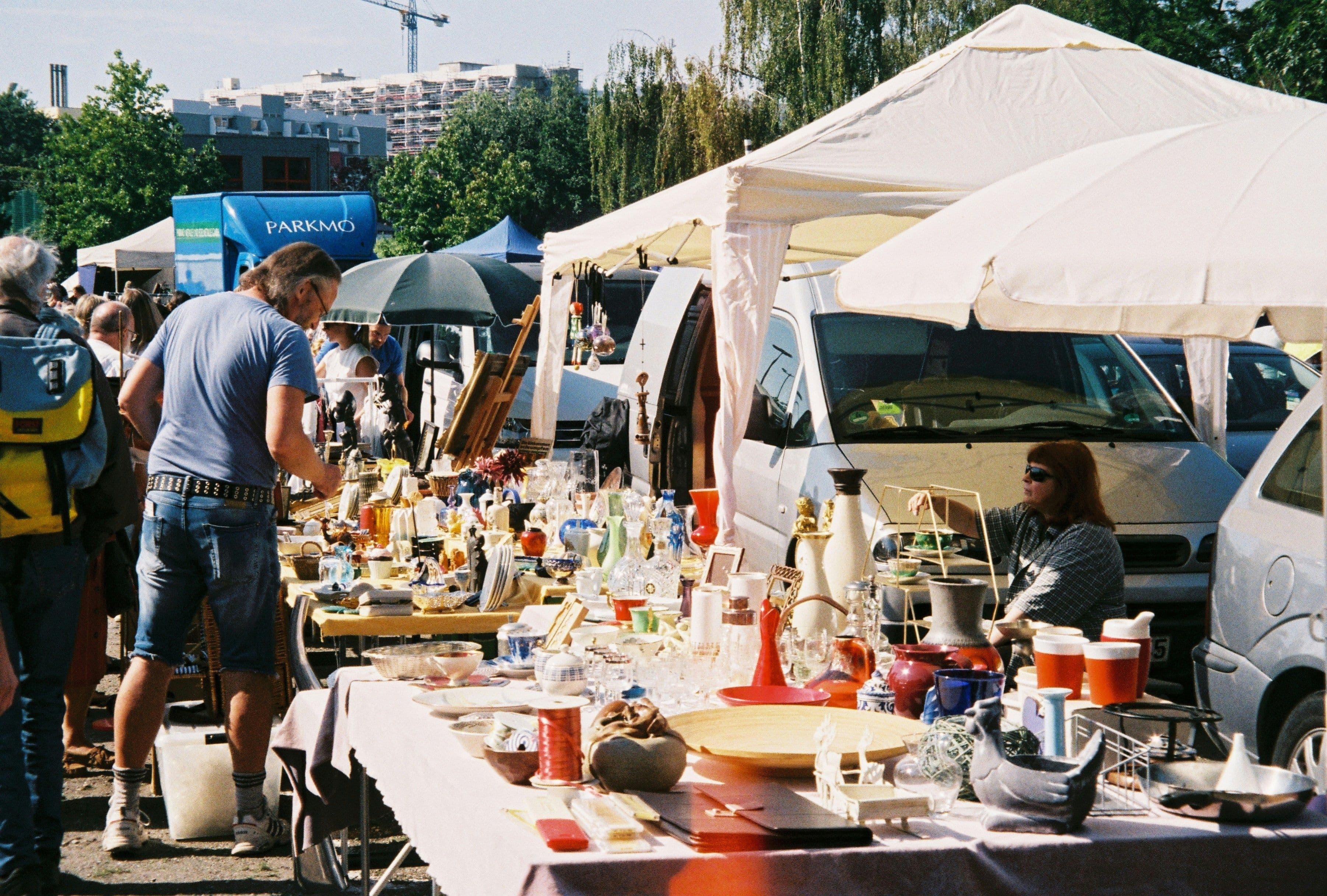
Pop-up markets offer crafters and artisans incredible opportunities to sell their handmade goods directly to customers. But with limited booth space and varied competition, choosing the right products to sell can determine whether you make money or go home disappointed. Let's explore what crafts actually sell best at pop-up markets and how to maximize your success.
What Makes Crafts Sell at Pop-Up Markets
Before listing specific products, understand the psychology of pop-up shoppers. They're looking for:
- Unique items they can't find in stores
- Gift-worthy products, especially near holidays
- Impulse purchases at accessible price points
- Items with a story or personal connection
- Quality craftsmanship that justifies the price
Products that tick multiple boxes tend to outperform those that only satisfy one criterion.
Top-Selling Craft Categories
Jewelry and Accessories
Jewelry consistently ranks among the top sellers at craft markets. The combination of portability, gift-ability, and impulse-friendly price points makes it ideal.
Best sellers include:
- Minimalist everyday pieces – dainty necklaces, simple studs
- Statement earrings – eye-catching designs that draw attention
- Personalized jewelry – initial necklaces, birthstone pieces
- Beaded bracelets – stackable, affordable, collectible
- Wire-wrapped crystals – appeals to spiritual/wellness crowd
- Resin jewelry – unique inclusions, flowers, glitter
Price range: $10-75 for best-selling items
Candles and Home Fragrance
Handmade candles are perennial favorites. They make perfect gifts, appeal to a broad audience, and create an inviting booth atmosphere.
- Soy candles – eco-friendly and clean-burning
- Unique containers – vintage teacups, concrete vessels
- Seasonal scents – pumpkin spice, Christmas tree, summer citrus
- Funny or irreverent labels – appeal to younger shoppers
- Wax melts – lower price point for budget shoppers
- Room sprays and reed diffusers – non-flame alternatives
Price range: $8-35 for most sales
Body Care and Soap
Natural, handmade body products attract health-conscious shoppers seeking alternatives to commercial products.
- Artisan bar soaps – visual appeal, great scents
- Lip balms – low price point, high volume potential
- Lotion bars and body butters
- Bath bombs – colorful, gift-friendly, fun
- Sugar scrubs – popular with all ages
- Beard oils and men's grooming – often overlooked niche
Price range: $3-25
Textiles and Fiber Arts
Handmade textile items appeal to shoppers seeking quality and uniqueness.
- Market bags and totes – practical, reusable, stylish
- Scrunchies and hair accessories – huge resurgence in popularity
- Macramé items – plant hangers, wall hangings
- Knitted hats and scarves – seasonal but high-demand
- Embroidered items – modern designs on classic formats
- Tea towels and napkins – kitchen gifts
Art and Prints
Original art and prints attract buyers looking for unique home décor.
- Art prints – more affordable than originals, higher volume
- Greeting cards – impulse buys, gift add-ons
- Stickers and vinyl decals – low price, high appeal to younger buyers
- Local-themed art – landmarks, maps, inside jokes
- Pet portraits – commissions or pre-made breed designs
Ceramics and Pottery
Handmade ceramics command premium prices from buyers who appreciate craftsmanship.
- Mugs – daily use items with broad appeal
- Planters – trendy with the houseplant boom
- Ring dishes and jewelry holders
- Spoon rests and kitchen items
- Decorative plates and bowls
Price range: $15-80
Woodworking and Wood Crafts
- Cutting boards – always popular, especially engraved
- Wooden signs – personalized, rustic, farmhouse style
- Kitchen utensils – spoons, spatulas, honey dippers
- Small furniture – plant stands, shelves
- Toys and puzzles – appeal to parents and grandparents
Pricing Strategies That Work
Pricing can make or break your sales. Consider these strategies:
- Offer multiple price points – Have items from $5-100 to capture different buyers
- Create bundles – Combine complementary items at a slight discount
- Price in round numbers – $20 sells better than $19 at craft markets
- Display prices clearly – Don't make customers ask
- Offer "3 for" deals on small items – Increases average transaction
What Doesn't Sell Well
Avoid these common pitfalls:
- Items too large to carry – Furniture, big wall art without delivery option
- Extremely niche products – Very narrow appeal limits buyers
- Overpriced basics – Customers won't pay $50 for a simple item they can get at Target
- Poor quality materials – Savvy shoppers recognize cheap supplies
- Copies of trending items – Customers can spot knockoffs
- Items without a clear use – "What would I do with this?"
Display Tips to Boost Sales
- Create height variation – Use risers, boxes, and stands
- Let customers touch – People buy what they can feel
- Group by color or theme – Creates visual appeal
- Keep best-sellers at eye level – Prime real estate
- Use good lighting – Even outdoors, strategic lighting helps
- Show items in use – Lifestyle displays trigger imagination
Seasonal Considerations
Time your products to market demand:
- Spring: Garden items, Easter gifts, Mother's Day
- Summer: Outdoor items, lightweight jewelry, beach themes
- Fall: Cozy textiles, Halloween, warm scents
- Winter: Holiday gifts, ornaments, cold-weather accessories
- Year-round: Jewelry, candles, body products
Getting Started
If you're new to selling crafts, start with one product line you can make efficiently and well. Master your craft, build inventory, and test at smaller markets before investing in large events.
Events Near Me connects artisans with pop-up markets and craft fairs looking for quality vendors. Browse upcoming events in your area, check their vendor requirements, and start selling your handmade creations.
The best craft business combines products you love making with items customers love buying. Find that intersection, and you'll build a thriving creative business.