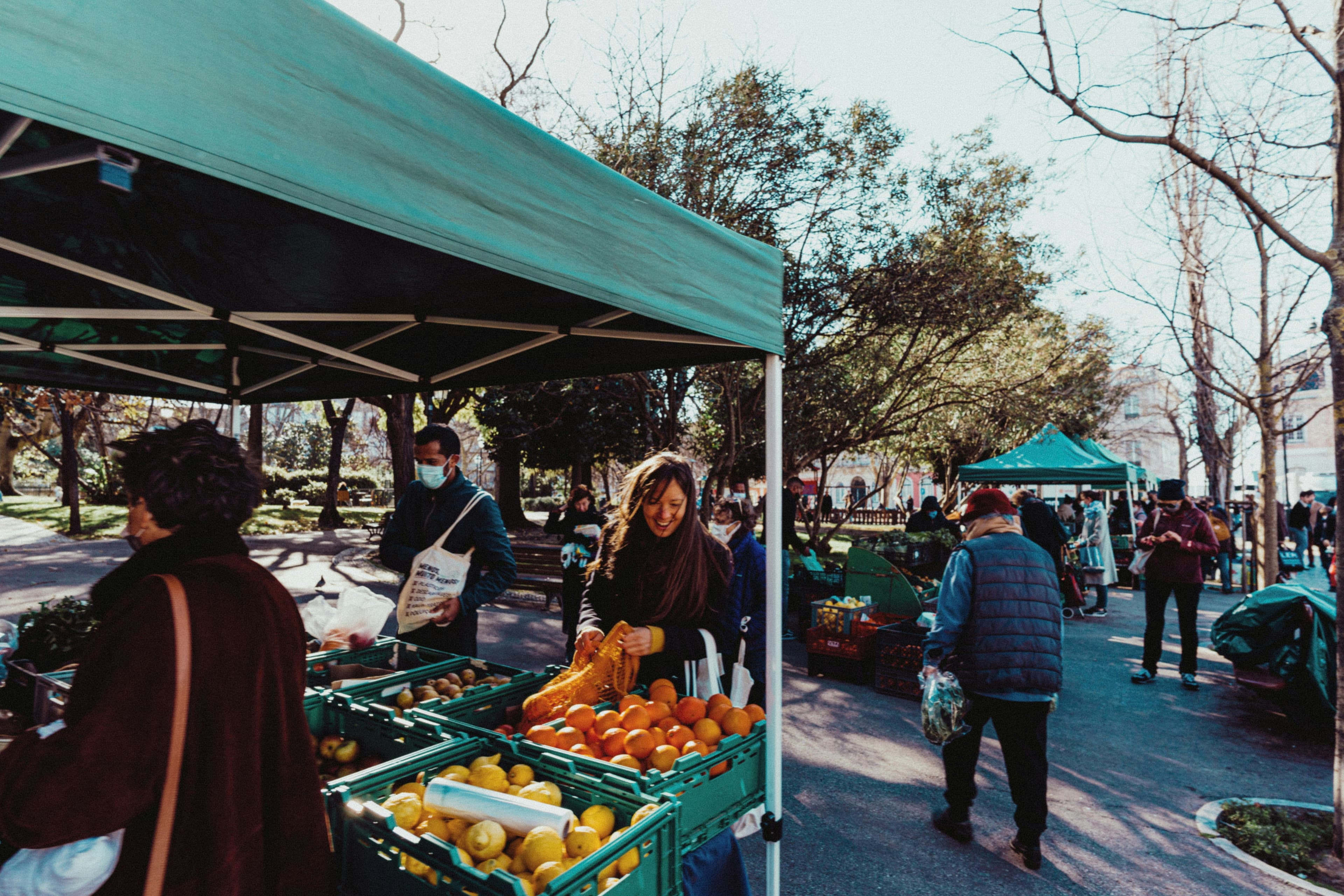
Farmers markets are booming, with more consumers than ever seeking locally-made and locally-grown products. But not everything sells equally well. Whether you're a new vendor trying to break into the market or an established seller looking to expand your offerings, knowing what products actually move can make or break your success.
Understanding What Farmers Market Shoppers Want
Before diving into specific products, it's important to understand the farmers market customer. These shoppers are typically health-conscious, environmentally aware, and willing to pay premium prices for quality. They value authenticity, local sourcing, and personal connections with vendors.
Successful vendors don't just sell products—they sell stories, experiences, and relationships. Keep this in mind as you consider what to offer.
Top-Selling Food Products
Fresh Produce
The backbone of any farmers market, fresh fruits and vegetables remain the most popular category. But not all produce sells equally well.
Best sellers include:
- Tomatoes – especially heirloom varieties with unique colors and flavors
- Berries – strawberries, blueberries, and raspberries command premium prices
- Leafy greens – salad mixes, arugula, and specialty lettuces
- Peppers – both sweet and hot varieties
- Herbs – fresh basil, cilantro, and mint are consistently popular
- Seasonal specialties – corn, pumpkins, apples depending on the season
Pro tip: Offering pre-made salad mixes or "stir-fry kits" with complementary vegetables can increase your average sale price.
Baked Goods
Fresh-baked items are farmers market staples and often sell out early. The smell of fresh bread draws customers in like nothing else.
- Artisan breads – sourdough, focaccia, and specialty loaves
- Pastries and muffins – especially with seasonal ingredients
- Pies and tarts – fruit pies are perennial favorites
- Cookies – packaged for impulse purchases
- Gluten-free and specialty diet options – growing demand
Prepared Foods
Ready-to-eat items serve two purposes: immediate consumption and take-home meals. They're especially popular at urban markets where shoppers want convenient lunch options.
- Fresh pasta and sauces
- Tamales and international foods
- Soups and stews (in cooler weather)
- Breakfast sandwiches and burritos
- Ready-made meal kits
Preserved Foods and Pantry Items
Shelf-stable products give customers something to take home and enjoy later, extending your selling potential beyond fresh items.
- Jams, jellies, and preserves – especially unusual flavors
- Pickles and fermented foods – growing rapidly in popularity
- Hot sauces and salsas
- Local honey – always in demand
- Infused oils and vinegars
- Spice blends and seasonings
Meat, Dairy, and Protein
Animal products from local farms attract customers seeking alternatives to factory-farmed options.
- Farm-fresh eggs – often the first items to sell out
- Grass-fed beef and pasture-raised pork
- Free-range chicken
- Artisan cheeses
- Fresh fish (if near water sources)
Note: These products require proper licensing, refrigeration, and food safety compliance. Research your local regulations before selling.
Beverages
Drinks satisfy immediate thirst and make excellent add-on purchases.
- Fresh-pressed juices and smoothies
- Cold brew coffee and specialty drinks
- Kombucha and fermented beverages
- Lemonade and seasonal drinks
- Locally-roasted coffee beans
Non-Food Products That Sell Well
While food dominates farmers markets, many successful vendors sell non-food items that complement the shopping experience.
Plants and Flowers
- Cut flower bouquets – impulse purchases with high margins
- Potted herbs and vegetables – seedlings in spring
- Houseplants
- Dried flower arrangements
Handmade Body Care
- Artisan soaps – especially with local ingredients
- Lip balms and lotions
- Natural skincare products
- Bath bombs and salts
Artisan Crafts
- Handmade candles – especially soy or beeswax
- Pottery and ceramics
- Woodworking items – cutting boards, utensils
- Textiles – tea towels, napkins, bags
What NOT to Sell at Farmers Markets
Avoid these common mistakes:
- Mass-produced items – customers expect handmade/local
- Generic products with no story – differentiation matters
- Items requiring extensive explanation – simplicity sells
- Products that don't fit the market's character
- Overpriced items for the local market
Tips for Maximizing Sales
- Offer samples generously – tasting leads to buying
- Create bundled deals – encourage larger purchases
- Accept multiple payment methods – cards and mobile payments
- Display products attractively – visual appeal matters
- Engage with customers – share your story and process
- Bring enough inventory – running out means lost sales
- Arrive early and stay late – don't miss early birds or lingerers
Emerging Trends to Watch
Stay ahead of the curve by considering these growing categories:
- Mushrooms – gourmet and medicinal varieties
- Microgreens – high-margin, fast-growing
- Fermented foods – gut health is trending
- International and ethnic foods – growing diversity
- Pet treats – organic and natural options
- Zero-waste products – reusable alternatives
Getting Started
The best products to sell are ones you're passionate about and that fit your skills, resources, and local market demand. Start by visiting farmers markets in your area to observe what sells, what's missing, and where you might fit in.
Events Near Me helps vendors find farmers markets and pop-up opportunities in their area. Browse available markets, apply for booth space, and start turning your products into profits.
Remember: success at farmers markets comes from quality products, authentic connections, and consistent presence. Find your niche, deliver excellence, and watch your business grow.