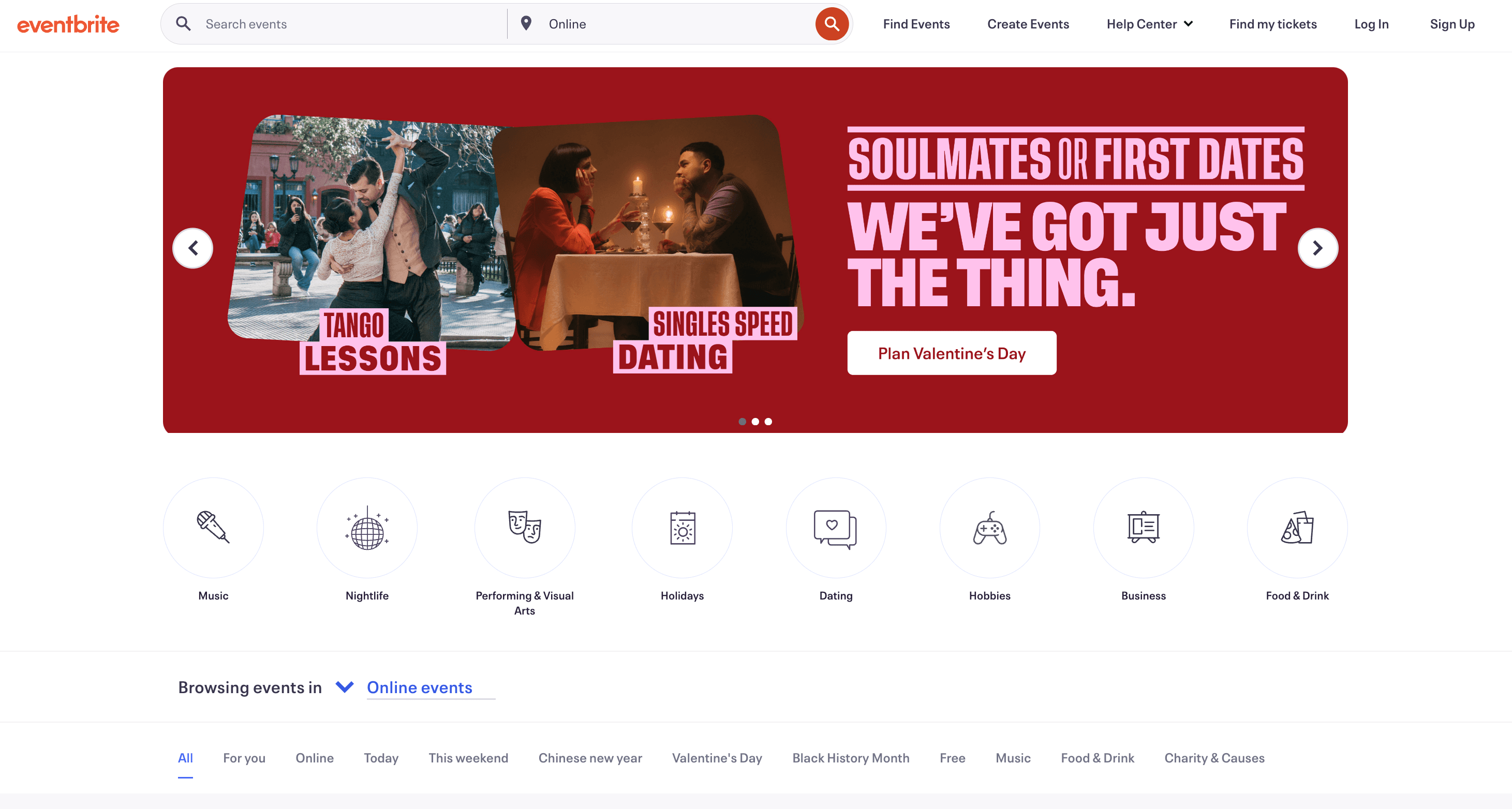
Planning an event can be overwhelming, and having the right tools makes all the difference. Eventbrite has long been a go-to platform for event discovery, ticketing, and management, but it’s not the perfect fit for everyone. High fees, limited customization, and competition with other events on the platform leave many looking for better options.
If you’re searching for Eventbrite alternatives, you’re in the right place. In this guide, we’ll break down what Eventbrite does well, where it falls short, and which platforms can better meet your needs. We’ll focus on three key areas:
- Discovery: Finding events and marketing them
- Ticketing: Selling and managing event tickets
- Event Management: Handling logistics, registrations, and attendee engagement
Whether you’re organizing a small community meetup, a corporate conference, or a large festival, there’s a platform that fits your needs. Let’s dive in.
1. Events Near Me
Events Near Me is an excellent choice for community-driven events and businesses of all sizes. It’s designed with local discovery in mind, helping event organizers connect with people nearby who are actively looking for events to attend. What makes this platform stand out is its SEO-driven approach, which ensures your event ranks well in search engines like Google. This means more organic traffic without relying solely on paid ads.
Another advantage is that it’s completely free to use, making it budget-friendly for small businesses, non-profits, or community groups. The built-in analytics dashboard provides insights into how your event is performing, including views, clicks, and engagement metrics. This helps you tweak your event promotion strategy for better results. If you want an easy-to-use platform with strong local SEO benefits, Events Near Me is a solid choice.
2. Meetup App

Meetup is one of the most popular platforms for small, recurring, or community-focused events. Unlike Eventbrite, which caters to all types of events, Meetup specializes in fostering communities around shared interests—whether that’s tech meetups, fitness groups, hobby clubs, or networking events.
One of Meetup’s biggest strengths is its strong organic discovery features. People don’t just stumble upon events—they actively search for groups that match their interests. Once someone joins a group, they receive regular updates about new events, which helps build a loyal audience over time.
While there’s a cost for organizers (a subscription fee), the return on investment can be significant if you’re hosting regular events. If your goal is to build a community rather than just sell tickets, Meetup is the perfect platform.
3. Facebook Events
With billions of active users, Facebook Events offers unmatched audience reach. If you’re already using Facebook for your business, listing an event takes just a few clicks. The best part? It’s completely free to create an event, and you can instantly share it with your friends, followers, and relevant groups.
One of Facebook’s key advantages is its powerful advertising platform. You can promote your event with targeted ads based on demographics, interests, location, and more. Plus, Facebook’s algorithm favors events in local feeds, giving you organic exposure without spending a dime.
Seamless integration with Facebook pages and groups makes it easy to keep your community engaged. If reach is your priority, especially for public events, Facebook Events is hard to beat.
4. Eventful
Eventful focuses on location-based event discovery, making it a go-to platform for concerts, festivals, entertainment events, and more. Unlike platforms that rely on social connections, Eventful helps people find events based on where they are and what they’re interested in.
Its strong email marketing capabilities set it apart. Users can subscribe to event alerts based on their preferences, which means your event gets delivered directly to the inboxes of people who are likely to attend. This targeted approach helps boost attendance without additional advertising costs.
Eventful also integrates with popular calendars and apps, making it easy for users to save events and receive reminders. If you’re planning a large event or concert, Eventful’s local discovery tools can help you reach the right audience.
5. Splash
Splash is designed for brands that want to create memorable event experiences. It’s ideal for corporate events, product launches, and branded experiences where the look and feel of your event matter just as much as the content.
What sets Splash apart is its high level of customization. You can design stunning event landing pages, manage RSVPs, and even track guest engagement—all within one platform. It also offers integrated marketing tools, allowing you to send email campaigns, manage guest lists, and analyze performance.
If you’re hosting events where branding and design are critical, Splash gives you the creative freedom to make your event stand out.
6. Bizzabo
Bizzabo is a powerhouse when it comes to event marketing and analytics, making it perfect for professional conferences, trade shows, and large-scale events. While it offers ticketing and management features, its real strength lies in advanced marketing automation.
Bizzabo helps you track every interaction attendees have with your event—from the moment they land on your website to post-event follow-ups. Its built-in CRM allows you to segment audiences, personalize communication, and measure the effectiveness of your campaigns.
If you’re serious about data-driven event marketing and want deep insights into attendee behavior, Bizzabo is a top choice for professional event organizers.
Breaking Down Eventbrite
Eventbrite is a one-stop shop for event organizers, offering discovery, ticketing, and management tools. Here’s a quick look at its core features:
Discovery
Eventbrite is essentially an event marketplace. It allows users to browse and discover local events while helping organizers market theirs. Built-in SEO tools, social media integrations, and email campaigns help boost event visibility.
Ticketing
Eventbrite supports both free and paid tickets, offering mobile-friendly ticketing solutions and integrations with payment platforms. Organizers can customize pricing tiers, offer discount codes, and track sales in real time.
Event Management
From registration forms to check-in tools and event analytics, Eventbrite helps with the logistics of running an event. It offers attendee tracking, email reminders, and mobile check-in apps to streamline the experience.
Where Eventbrite Falls Short
Despite its popularity, Eventbrite isn’t perfect for everyone. Some of the most common complaints include:
- High fees: Eventbrite takes a cut from ticket sales, which can add up, especially for large events.
- Limited customization: You’re locked into Eventbrite’s branding and design limitations.
- Competition on the platform: Your event might get buried among thousands of other listings.
- Lack of advanced features: Some organizers need more robust tools for networking, hybrid events, or venue management.
If you’re facing these issues, it’s time to explore alternatives.
One of Eventbrite’s biggest strengths is its built-in audience, making it easy to list an event and get instant visibility. However, if you’re looking for more control over how your event is discovered and marketed, there are other platforms that might serve you better. These Eventbrite alternatives offer unique features for promoting events, reaching specific audiences, and maximizing visibility. Let’s break down some of the best options.