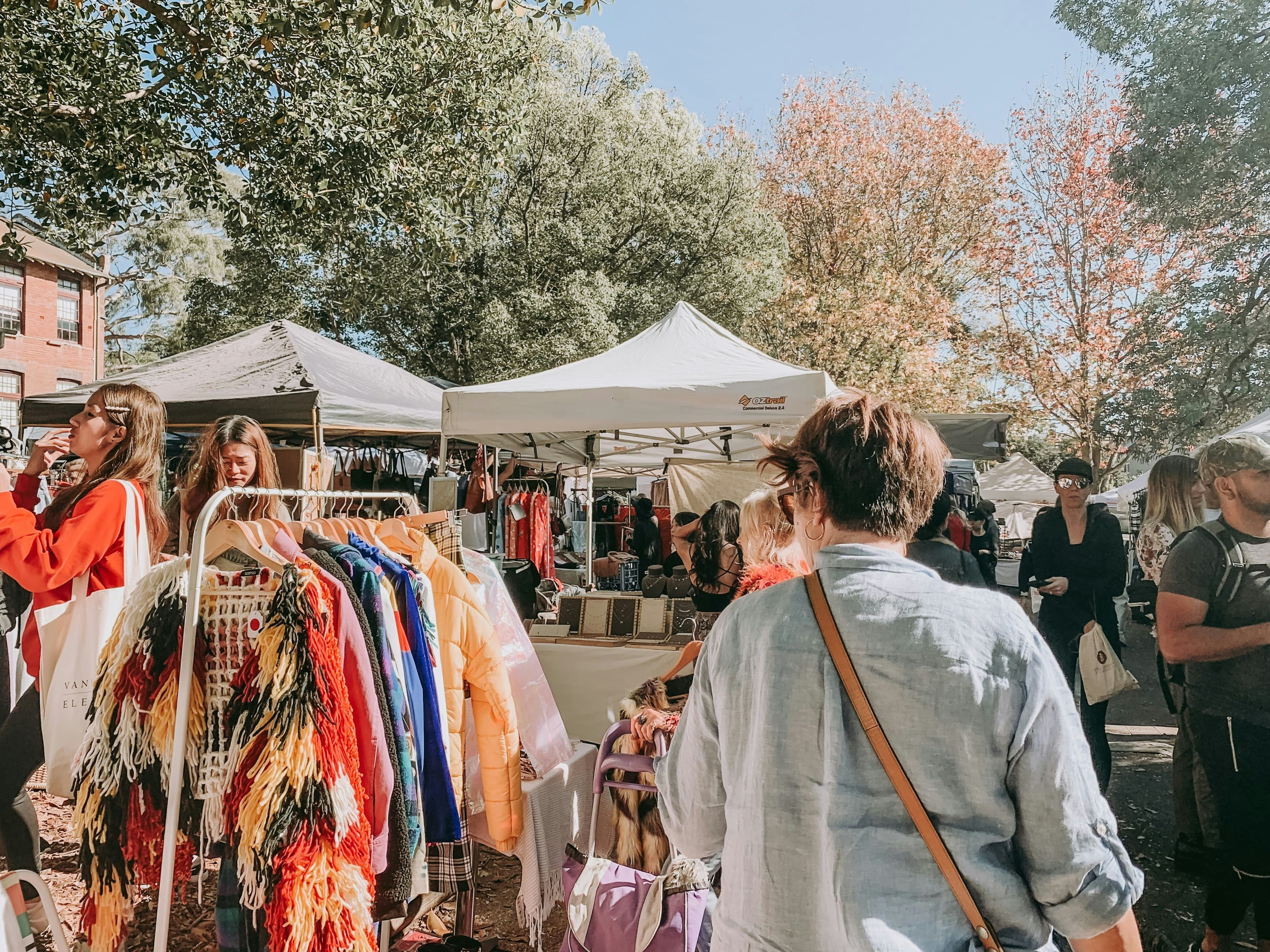
As a vendor, one of the most important decisions you'll make is choosing where to sell your products. Farmers markets and pop-up markets are two of the most popular options, but they serve different purposes and attract different crowds. Understanding the distinction between these two market types can help you maximize your sales and grow your business strategically.
Understanding Farmers Markets
Farmers markets are recurring retail markets where local farmers, growers, and food producers sell directly to consumers. They typically operate on a fixed schedule—often weekly—at the same location throughout their season. The emphasis is on fresh, locally grown produce, though many markets have expanded to include prepared foods, artisan goods, and handmade crafts.
Most farmers markets have strict vendor requirements. Many operate as "producer-only" markets, meaning vendors must grow or make everything they sell. This authenticity is a major selling point for customers who want to know exactly where their food comes from.
Key Characteristics of Farmers Markets
- Fixed schedule and location throughout the season
- Focus on agricultural products and local food
- Often require vendors to be producers, not resellers
- Strong community connection and loyal customer base
- Typically seasonal (spring through fall in most regions)
- Lower booth fees, often $20-75 per day
- Regulated by agricultural and health departments
Understanding Pop-Up Markets
Pop-up markets are temporary retail events that can happen anywhere—parking lots, warehouses, parks, or even inside existing retail spaces. They might be one-time events or occur periodically, but they lack the fixed schedule of traditional farmers markets. Pop-ups often have themes: holiday markets, night markets, artisan fairs, or community festivals.
Pop-up markets tend to have more flexible vendor requirements. While farmers markets focus on food and produce, pop-ups welcome a broader range of products including vintage goods, artwork, clothing, jewelry, and imported items. This flexibility attracts a diverse vendor base and shopping experience.
Key Characteristics of Pop-Up Markets
- Variable schedules and locations
- Broader product categories accepted
- Theme-based events attract targeted audiences
- Higher foot traffic during special events
- Year-round opportunities, including holiday seasons
- Higher booth fees, typically $75-300+ per day
- More marketing and promotional support from organizers
Comparing Costs and Profitability
When evaluating market types, you need to consider both the costs and potential returns.
Farmers Market Economics
Farmers markets typically have lower booth fees, making them accessible for new vendors or those testing products. A typical booth costs $25-75 per week. However, the customer base tends to be smaller and more focused on produce and food items.
- Lower entry cost and lower risk
- Consistent weekly sales allow for planning
- Build long-term customer relationships
- Average daily sales: $200-800 depending on products
- Best for: food producers, farmers, bakers, artisan food makers
Pop-Up Market Economics
Pop-up markets charge higher booth fees but often deliver higher foot traffic and sales volume. Special events like holiday markets can generate significant revenue in a single day.
- Higher costs but higher revenue potential
- Variable income makes planning difficult
- Opportunity for impulse purchases from event attendees
- Average daily sales: $500-2000+ at well-attended events
- Best for: crafters, artists, jewelry makers, gift items, unique products
Audience and Customer Behavior
Understanding who shops at each type of market helps you position your products effectively.
Farmers Market Shoppers
Farmers market customers are often health-conscious locals who prioritize fresh, locally-sourced food. They tend to be repeat customers who visit weekly and develop relationships with their favorite vendors. These shoppers are price-aware but willing to pay premium prices for quality and authenticity.
Pop-Up Market Shoppers
Pop-up market attendees are often looking for unique experiences and one-of-a-kind items. They're more likely to make impulse purchases and spend money on gifts, treats, and novelties. Event-based pop-ups attract people in a celebratory mood who are primed to spend.
Which Market Type Is Right for You?
The best choice depends on your products, goals, and business model.
Choose farmers markets if:
- You sell food, produce, or consumable goods
- You want consistent, predictable income
- Building long-term customer relationships matters to you
- You have limited capital for booth fees
- Your products require regular replenishment (perishables)
- You value community connection and local recognition
Choose pop-up markets if:
- You sell crafts, art, jewelry, or gift items
- You want high-volume sales events
- Your products appeal to impulse buyers
- You can handle variable income
- You want exposure to new customer segments
- Holiday and themed events align with your products
The Best Strategy: Diversify
Many successful vendors participate in both market types. They use farmers markets for steady weekly income and community presence, while pop-up markets provide revenue spikes during peak seasons. This diversification reduces risk and maximizes exposure.
Start by establishing yourself at a local farmers market to build your customer base and refine your offerings. Then expand to pop-up markets during holiday seasons or when events align with your products.
Finding Markets in Your Area
Events Near Me makes it easy to discover both farmers markets and pop-up markets looking for vendors. Whether you're searching for weekly markets or special events, having a centralized platform to find opportunities saves time and helps you plan your schedule strategically.
Don't limit yourself to one type of market. Explore your options, test different venues, and find the mix that works best for your unique business.
Final Thoughts
Both farmers markets and pop-up markets offer valuable opportunities for vendors. The key is understanding their differences and choosing strategically based on your products, goals, and resources. Many vendors find success by combining both approaches—using farmers markets for stability and pop-ups for growth spurts.
Ready to find your next market? Browse vendor opportunities on Events Near Me and start growing your business today.