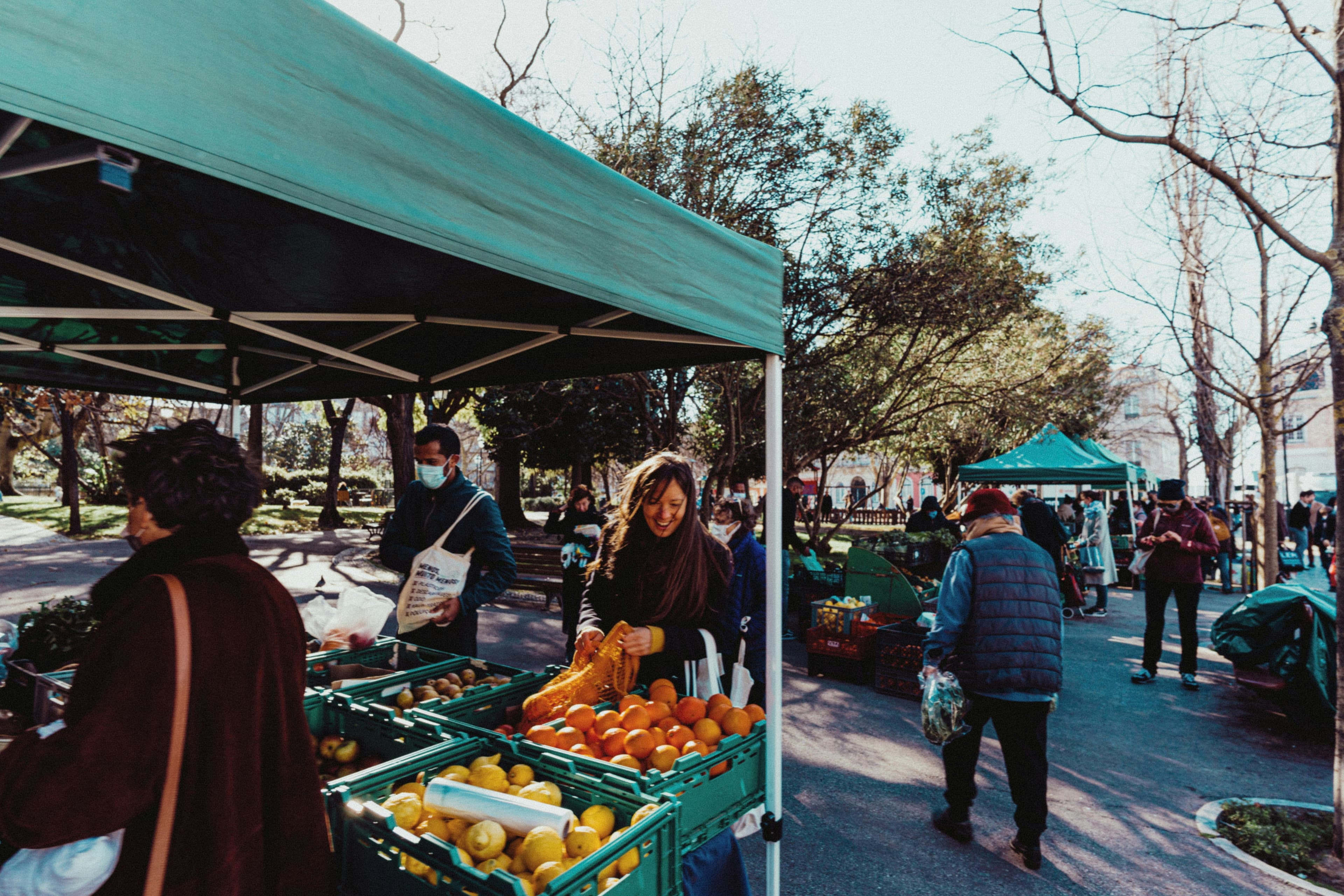
Why Farmers' Markets Are Worth the Effort
Before diving into the application process, let's consider why farmers markets remain one of the best venues for vendors:
- Direct customer relationships – Build a loyal following who seek you out week after week
- Higher profit margins – No middleman means you keep more of each sale
- Market testing – Try new products and get immediate feedback
- Community presence – Become a recognized part of your local food and craft scene
- Lower startup costs – Compared to opening a retail store, booth fees are minimal
Step 1: Research Markets in Your Area
Not all farmers markets are created equal. Start by making a list of markets within a reasonable driving distance and evaluate each one:
What to Look For
- Market size and foot traffic – Larger markets bring more customers but also more competition
- Vendor mix – Are there already five honey vendors? Your chances might be slim
- Market rules – Some only accept produce; others welcome prepared foods and crafts
- Booth fees – These vary widely, from $25 to $200+ per day
- Operating schedule – Does the season and timing work with your availability?
Where to Find Markets
- Events Near Me – Search for farmers markets, pop-up markets, and craft fairs in your area
- Local agricultural extension offices
- State farmers market associations
- Social media groups for your region
Step 2: Understand What Market Managers Want
Market managers have a tough job: they need to curate a mix of vendors that attracts customers while keeping existing vendors happy. Understanding their perspective helps you craft a better application.
They're Looking For:
- Products that fill a gap – If they have no bread vendor, a baker has a great shot
- Quality and presentation – Professional-looking setup, good photos, consistent branding
- Reliability – Vendors who show up every week, on time, rain or shine
- Compliance – Proper licenses, insurance, and food safety certifications
- Good fit – Someone who aligns with the market's values and customer base
Red Flags They Avoid:
- Incomplete applications
- Products that directly compete with established vendors
- Vendors without required permits or insurance
- Poor communication during the application process
Step 3: Gather Your Documentation
Before you start filling out applications, collect everything you might need:
Common Requirements
- Business license – Most markets require a valid business license
- Liability insurance – Typically $1-2 million coverage; some markets offer group policies
- Food handler's permit – Required for any food vendors
- Cottage food license – If selling home-prepared foods (requirements vary by state)
- Seller's permit/resale certificate – For collecting sales tax
- Product photos – High-quality images of your products and booth setup
- Product list with pricing – Detailed inventory of what you plan to sell
For Food Vendors
- Health department permits
- Kitchen inspection certificates (if applicable)
- Food safety training documentation
- Ingredient lists and allergen information
Step 4: Complete the Application
Most farmers markets use application forms, either paper or online. Here's how to make yours stand out:
Be Thorough
Fill out every field completely. Blank spaces suggest you're not serious or detail-oriented.
Tell Your Story
Most applications have a section for describing your business. Use it well:
- Explain what makes your products unique
- Share your background and why you started
- Describe your production methods (local, organic, handmade, etc.)
- Mention any awards, press coverage, or certifications
Include Great Photos
- Show your products in the best light (literally—good lighting matters)
- Include photos of your booth setup at other events
- Add action shots of you making or growing your products
Be Specific About Products
Instead of "baked goods," list "sourdough bread, cinnamon rolls, seasonal fruit pies." Specificity shows you're prepared.
Step 5: Follow Up Professionally
After submitting your application:
- Send a brief follow-up email – Thank them for the opportunity and confirm receipt
- Be patient – Many markets review applications seasonally
- Respond promptly – If they ask for additional information, provide it quickly
- Stay professional – Even if rejected, thank them and ask if you can reapply
Tips for Improving Your Chances
Start Small
New vendors often have better luck at:
- Newer or smaller markets building their vendor roster
- Pop-up markets and one-day events
- Markets in less competitive areas
Use these to build experience and references for larger markets.
Differentiate Your Products
If the market already has a soap vendor, can you offer something different? Maybe goat milk soap, or soap made with locally sourced lavender. Find an angle that makes you complementary rather than competitive.
Build Relationships
- Visit the market as a customer first
- Talk to the manager and current vendors
- Attend market meetings or events
- Follow the market on social media and engage with their posts
Consider the Waiting List
Many established markets maintain waiting lists. Getting on the list is progress—vendors do leave, and your turn will come.
What to Do If You're Rejected
Rejection isn't the end:
- Ask for feedback – Politely ask what would strengthen future applications
- Apply elsewhere – Build your track record at other markets
- Try as a guest vendor – Some markets offer occasional guest spots
- Reapply next season – Persistence often pays off
- Look for alternatives – Pop-up markets, craft fairs, and holiday markets can be great venues
Managing Multiple Market Applications
As you grow, you may want to sell at several markets. Use a spreadsheet to track:
- Application deadlines
- Required documents for each market
- Fee structures and payment due dates
- Contact information for market managers
- Acceptance status and waitlist positions
Ready to Find Your First Market?
The application process takes effort, but landing a spot at the right farmers market can be a game-changer for your business. Start by researching markets that fit your products and schedule, prepare your documentation, and submit a thorough, professional application.
Looking for farmers markets and vendor opportunities in your area? Events Near Me helps vendors discover local markets, pop-ups, and craft fairs that are actively seeking new vendors.