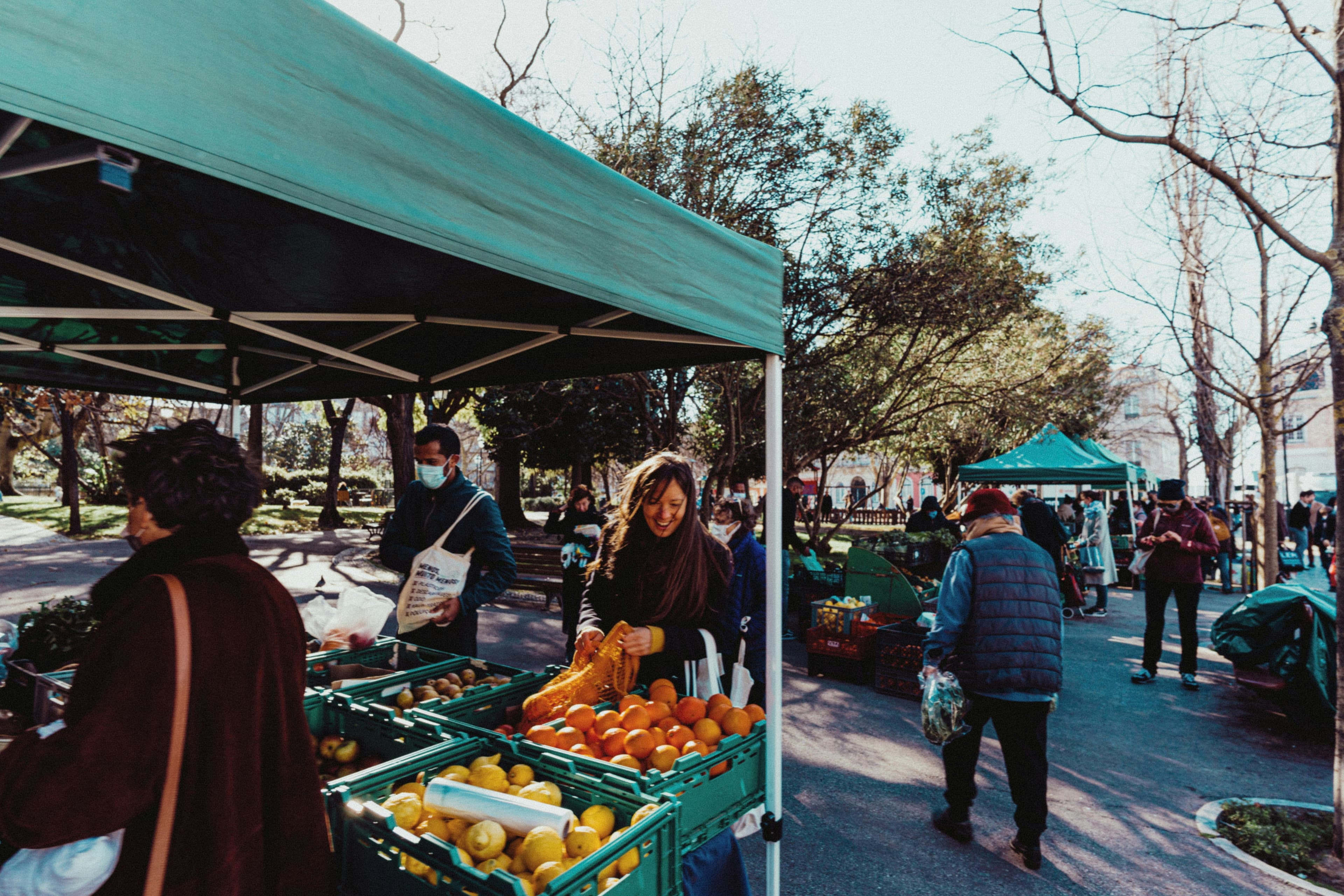
You've established yourself at farmers markets. You show up consistently, make sales, and cover your costs. But you're ready for more. How do you take your farmers market business from a side hustle to a thriving enterprise? How do you increase sales, reach more customers, and build something sustainable?
This guide shares proven strategies that successful vendors use to grow their farmers market businesses—from optimizing your current market presence to strategic expansion and long-term business development.
Maximize Your Current Market Performance
Before expanding to new markets, make sure you're getting the most from where you already sell.
Optimize Your Booth Presentation
First impressions happen in seconds. Professional presentation increases both traffic and sales.
- Create vertical displays: Use risers, shelves, and hanging elements to maximize visual impact
- Ensure clear sightlines: Customers should see your best products from the aisle
- Maintain abundance: A full, overflowing display sells better than sparse inventory
- Use professional signage: Clear pricing, product names, and your business name
- Consider your color story: Coordinate display elements for visual cohesion
- Keep it clean: Tidy displays signal quality products
Perfect Your Customer Interaction
Your sales approach directly impacts your revenue:
- Greet every person who approaches: Acknowledge them within 3 seconds
- Offer samples generously: Tasting converts browsers to buyers
- Tell your story: Customers buy from people they connect with
- Educate about your products: Share what makes them special
- Suggest pairings and bundles: "This pairs beautifully with..."
- Remember regulars: Use names and remember their preferences
Increase Average Transaction Value
Every customer interaction is an opportunity to sell more:
- Create bundle deals: "Any 3 for $12" moves more product
- Offer size upgrades: "The larger jar is better value..."
- Add complementary products: Bread vendor? Add butter or jam
- Develop premium options: Higher-priced specialty items
- Implement loyalty programs: Punch cards encourage repeat purchases
Expand Your Product Line Strategically
Growth often comes from offering more to your existing customers.
Identify Gaps and Opportunities
- Listen to customer requests: What do they ask for that you don't have?
- Observe successful vendors: What's selling well in other booths?
- Consider seasonal extensions: Products for different times of year
- Look for complementary products: What pairs with your core offerings?
- Test new items carefully: Start small before committing to full production
Product Line Expansion Ideas
- Value-added versions: If you sell produce, add prepared versions (salsas, sauces)
- Different sizes: Offer single-serve, regular, and family sizes
- Gift packaging: Premium presentation for gift-giving occasions
- Seasonal specials: Limited-time offerings create urgency
- Recipe kits: Curated collections with instructions
Avoid Common Expansion Mistakes
- Don't dilute your brand: New products should fit your identity
- Don't overextend production capacity: Growth should be sustainable
- Don't ignore profit margins: New products must be profitable
- Don't neglect your core products: They're your foundation
Expand to More Markets
Once you've maximized your current market, strategic expansion multiplies your reach.
When You're Ready to Expand
Consider expansion when:
- You consistently sell out before market ends
- You have production capacity you're not using
- You're profitable and can invest in growth
- You have (or can hire) help to cover multiple locations
- You've identified markets that fit your products
Choosing Additional Markets
- Different days: Add markets that don't conflict with existing schedule
- Different customer bases: Reach new demographics or neighborhoods
- Different market types: Complement farmers markets with pop-ups or craft fairs
- Geographic clusters: Multiple markets in one area reduce travel
- Seasonal opportunities: Holiday markets and special events
Use Events Near Me to discover new market opportunities in your area. Filter by date, location, and event type to find markets that complement your existing schedule.
Managing Multiple Markets
- Develop systems for inventory management
- Create market-specific packing lists
- Consider hiring help or bringing on partners
- Track performance by market to identify winners
- Know when to drop underperforming markets
Build Your Brand Beyond the Booth
A strong brand creates recognition and loyalty that extends beyond market day.
Develop Professional Branding
- Create a memorable business name and logo
- Develop consistent visual identity (colors, fonts, style)
- Use branded packaging that customers take home
- Wear branded apparel at markets
- Create business cards for every customer interaction
Build Your Online Presence
Digital presence amplifies your market presence:
- Create a simple website with your story and where to find you
- Maintain active social media (Instagram is ideal for vendors)
- Post consistently: market schedule, new products, behind-the-scenes
- Engage with followers and local food/craft community
- Collect email addresses for direct customer communication
Leverage Social Media Effectively
- Post market day reminders and location updates
- Share your process: people love seeing how things are made
- Feature happy customers (with permission)
- Announce new products and seasonal specials
- Cross-promote with other vendors and the markets you attend
Create Recurring Revenue Streams
Move beyond single transactions to predictable income:
Subscription and CSA Models
- Weekly or monthly subscription boxes
- Farm share or CSA memberships
- Seasonal subscription programs
- Prepaid market credits at a discount
Pre-Orders and Custom Orders
- Accept pre-orders for market pickup
- Offer custom orders (special sizes, flavors, personalization)
- Create special-occasion offerings (holidays, events)
- Cater to dietary restrictions with custom options
Wholesale and Restaurant Sales
Business-to-business sales can dramatically increase volume:
- Approach local restaurants and cafes
- Connect with specialty grocery stores
- Explore food service distributors
- Consider co-packing or private label opportunities
Streamline Operations for Scale
Efficient operations enable sustainable growth:
Production Efficiency
- Batch production to maximize efficiency
- Invest in equipment that increases output
- Document processes for consistency and training
- Identify and eliminate production bottlenecks
- Plan production schedule around market calendar
Smart Inventory Management
- Track what sells and when
- Develop accurate forecasting based on data
- Minimize waste through better planning
- Create systems for inventory rotation
- Know your true costs including spoilage
Financial Management
- Track revenue and expenses by market
- Calculate true profitability per product
- Set prices that support sustainable growth
- Build reserves for equipment and expansion
- Pay yourself—your labor has value
Build a Team
You can't grow forever as a solo operation:
- Start with occasional help on busy market days
- Document your processes so others can follow them
- Consider part-time production help
- Train someone to work the booth independently
- Know when your time is better spent on growth than production
Network and Collaborate
Community connections accelerate growth:
- Build relationships with complementary vendors
- Cross-promote with non-competing businesses
- Share resources (transport, equipment, booth space)
- Mentor and be mentored by fellow vendors
- Participate in vendor associations and organizations
Long-Term Vision
Think beyond next week's market:
- Where do you want your business to be in 3 years? 5 years?
- What role do markets play in your long-term strategy?
- Are markets a destination or stepping stone to something else?
- What would it take to make this your full-time income?
- What's your exit strategy if you decide to move on?
Create Your Growth Plan
Turn these strategies into action:
- Assess your current performance: What's working? What isn't?
- Set specific, measurable growth goals
- Identify 3-5 strategies to implement this season
- Create timelines and milestones for each
- Track progress and adjust as needed
- Celebrate wins and learn from setbacks
Take the Next Step
Growth doesn't happen by accident. It requires intentional strategy, consistent execution, and willingness to try new approaches. Start with one area of improvement, master it, then move to the next.
Ready to expand your market presence? Events Near Me helps vendors discover new opportunities. Browse farmers markets, pop-ups, and craft fairs in your area, and start building the market schedule that supports your growth goals.
Your farmers market business has potential you haven't tapped yet. The strategies in this guide have helped countless vendors transform side hustles into thriving businesses. Now it's your turn.