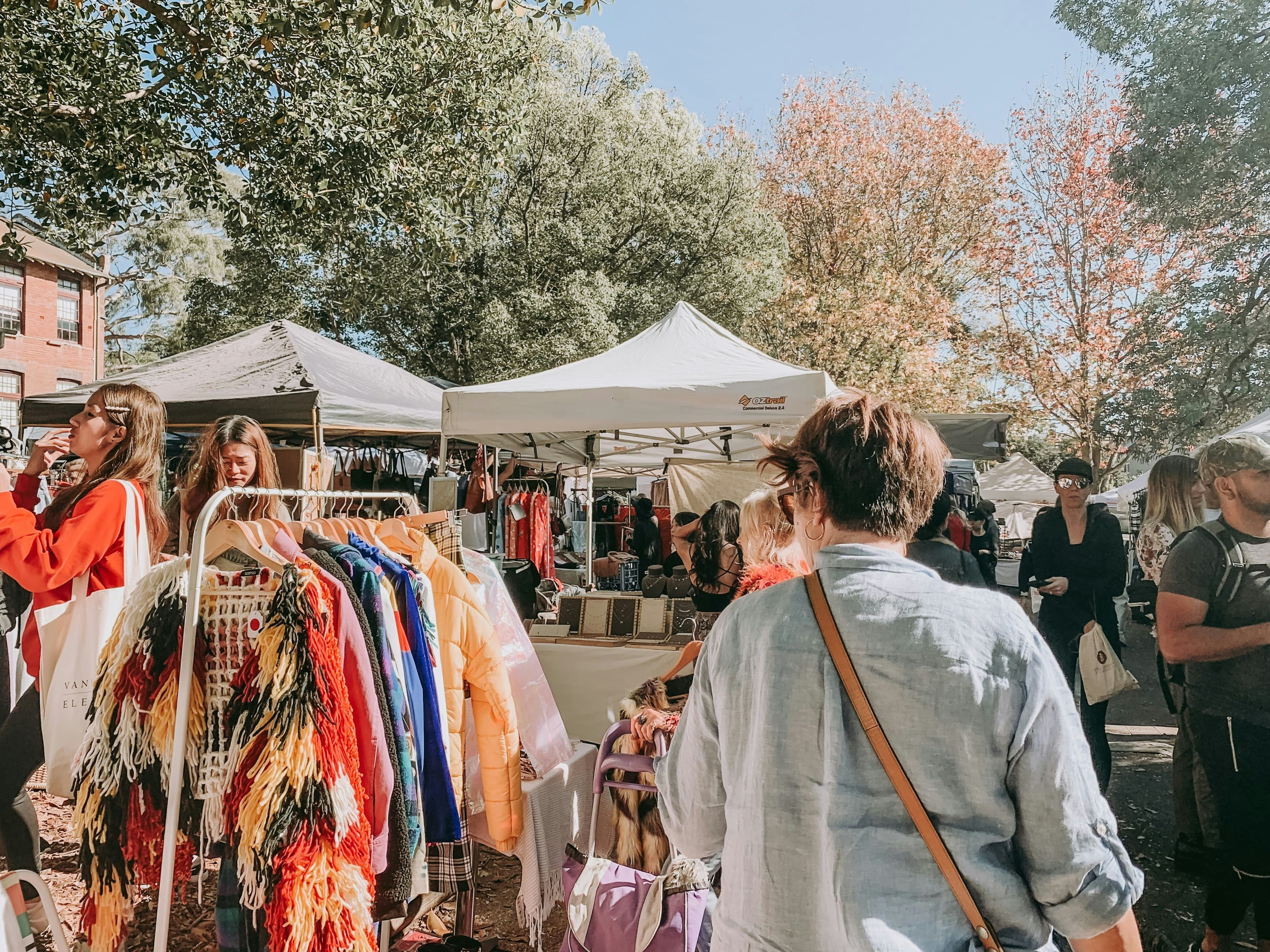
Hosting a vendor market is an exciting way to bring your community together while supporting local businesses. Whether you want to start a farmers market, craft fair, or pop-up event, this guide will walk you through every step of the process.
Choose the Right Type of Vendor Market
Before you start planning, decide what kind of market you want to host. Each type attracts different vendors and shoppers.
Popular vendor market types include:
- Farmers markets — Fresh produce, baked goods, and local food vendors
- Craft fairs — Handmade items, art, and artisan goods
- Pop-up markets — Seasonal or themed events with rotating vendors
- Flea markets — Antiques, vintage items, and secondhand goods
- Food truck rallies — Mobile food vendors in one location
Think about what your community needs. Check out local events and markets to see what's already available in your area.
Find the Perfect Location
Your venue can make or break your vendor market. Look for a space that's easy to find, has good parking, and fits your expected crowd size.
Great locations for vendor markets:
- Parks and outdoor spaces
- Parking lots (with permission)
- Community centers
- Downtown streets (closed for the event)
- Fairgrounds or event venues
- Warehouse spaces
Make sure you have access to restrooms, electricity, and water if vendors need them. Consider weather backup plans for outdoor events.
Get the Necessary Permits and Insurance
Hosting a vendor market means dealing with paperwork. Start this process early because permits can take weeks to approve.
You may need:
- Event permits from your city or county
- Health department permits (especially for food vendors)
- Business license
- Liability insurance
- Vendor liability requirements
Contact your local government office to learn what's required. Many cities have special permits for farmers markets and community events.
Set Your Budget and Vendor Fees
Figure out your costs before setting vendor fees. Your budget should cover the venue, permits, marketing, supplies, and any staff or volunteers.
Common costs include:
- Venue rental
- Insurance
- Permits and licenses
- Marketing and signage
- Tables, tents, or equipment rentals
- Portable restrooms
- Security or event staff
Vendor booth fees typically range from $25 to $200 depending on your market type and location. Set fees that cover your costs while staying affordable for small businesses.
Recruit Quality Vendors for Your Market
Attracting the right vendors is key to hosting a vendor market that shoppers love. You want a good mix of products without too much competition between similar vendors.
Tips for finding vendors:
- Post on social media and local business groups
- Reach out to vendors at other markets
- Partner with local business associations
- Use organizer tools to list your market and attract vendors
- Ask current vendors for referrals
Create a simple application process. Ask about their products, business license, and insurance. Review each application to ensure a good variety.
Create a Vendor Application and Contract
Professional documentation protects both you and your vendors. Your application should collect all the information you need to evaluate each vendor.
Include in your vendor contract:
- Booth fees and payment terms
- Setup and breakdown times
- Market rules and expectations
- Cancellation policies
- Insurance requirements
- Booth size and location assignments
Vendor management software can help you track applications, collect payments, and communicate with vendors easily.
Plan Your Market Layout
A smart layout keeps shoppers moving and gives every vendor a fair chance at foot traffic. Draw a map before the event and assign booth locations.
Layout tips:
- Put popular vendors (like food) in the back to draw people through
- Spread similar vendors apart so they don't compete directly
- Leave wide aisles for easy walking
- Plan for accessible paths for strollers and wheelchairs
- Mark spots for restrooms, trash cans, and emergency exits
Share the layout with vendors before the event so they know exactly where to set up.
Market Your Event to Attract Shoppers
Even the best vendor market needs good marketing. Start promoting at least 4-6 weeks before your event.
Marketing ideas:
- Create social media events and posts
- Partner with local newspapers and radio stations
- Put up flyers in local businesses
- Send press releases to local media
- Ask vendors to promote to their customers
- List your event on event discovery platforms
Take photos at your event for future marketing. Happy shoppers and full booths make great content.
Prepare for Event Day
Event day is exciting but busy. Arrive early and have a clear plan for setup and operations.
Event day checklist:
- Arrive 2-3 hours before vendors
- Mark booth spaces clearly
- Set up signage and directional signs
- Brief your volunteers on their roles
- Have a check-in station for vendors
- Keep emergency contact numbers handy
- Walk the market regularly to solve problems
Be ready to help vendors with questions and handle any issues that come up.
Keep Vendors and Shoppers Happy
A successful vendor market brings people back week after week. Focus on creating a great experience for everyone.
For vendors:
- Communicate clearly and often
- Start and end on time
- Be fair with booth assignments
- Thank them for participating
For shoppers:
- Add entertainment like live music
- Include seating areas
- Keep the market clean
- Consider kids' activities
Collect feedback after each event. Ask vendors and shoppers what worked and what could improve.
FAQ
How much does it cost to start a vendor market?
Startup costs vary widely based on your location and market size. Small community markets may start with just a few hundred dollars for permits and marketing. Larger events can cost several thousand dollars. Start small and grow as your market becomes established.
How many vendors should I have at my first market?
For your first event, aim for 15-25 vendors. This gives shoppers enough variety without overwhelming you as an organizer. You can always grow once you learn what works.
How do I handle food vendors and health permits?
Food vendors usually need their own health permits and food handler certifications. Require proof of permits in your vendor application. Contact your local health department to understand what they require for markets in your area.
What if it rains on event day?
Always have a weather backup plan. Require vendors to bring weighted tents, have an indoor backup location, or set clear policies for weather cancellations. Communicate your rain policy to vendors when they sign up.
How often should I host my vendor market?
Many successful markets run weekly or monthly. Weekly markets build customer habits, but monthly events may be easier to manage when starting out. Consider seasonal markets if year-round isn't practical in your area.
Start Hosting Your Vendor Market Today
Hosting a vendor market takes planning, but the reward is worth it. You'll create a space where local businesses thrive and your community gathers.
Ready to get started? Discover how Events Near Me can help you manage applications, communicate with vendors, and grow your market with easy-to-use organizer tools.