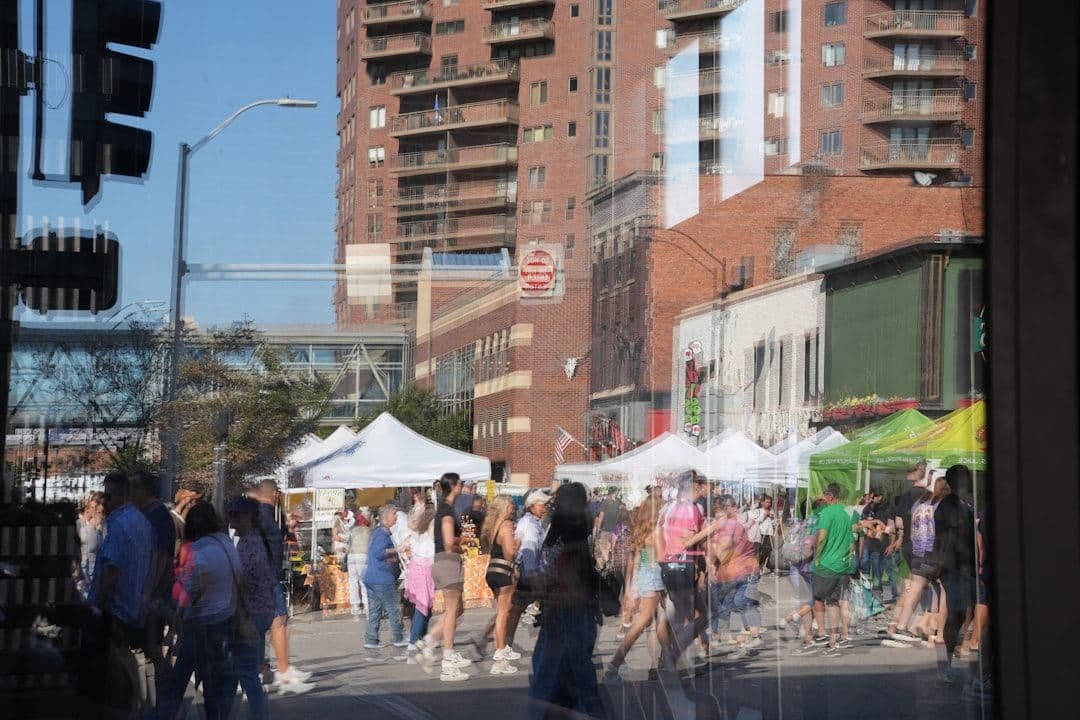
Marketing a pop-up event presents unique challenges. Unlike established farmers markets with regular customers, pop-ups need to create buzz and draw crowds for a limited-time experience. Whether you're organizing a one-day artisan market, a weekend food festival, or a seasonal holiday pop-up, this guide will show you proven strategies to fill your event with vendors and customers.
Understanding Pop-Up Marketing
Pop-ups thrive on urgency and excitement. Their temporary nature is actually a marketing advantage – people don't want to miss out on something that won't be there next week. Your marketing should amplify this sense of exclusivity and limited opportunity.
Successful pop-up marketing works on two fronts simultaneously: attracting quality vendors to create an appealing event, and attracting customers to support those vendors. Neither can succeed without the other, so your marketing strategy must address both audiences.
Creating Your Marketing Foundation
Before you launch any marketing campaigns, establish these foundational elements:
Define Your Pop-Up's Identity
What makes your pop-up unique? Are you focused on local artisans, vintage goods, international foods, or sustainable products? Your identity should be clear and compelling.
Develop a consistent brand including:
- A memorable event name
- A professional logo or visual identity
- A clear tagline that communicates what makes you different
- A consistent color palette and design style
Identify Your Target Audience
Who are you trying to reach? Consider:
- Demographics: Age, income level, location
- Interests: What other events do they attend? What do they value?
- Behaviors: Where do they spend time online? What media do they consume?
Understanding your audience shapes every marketing decision, from which platforms to use to what messages will resonate.
Set Clear Goals and Metrics
Define success for your pop-up:
- How many vendors do you want?
- What's your target customer attendance?
- What vendor satisfaction rating are you aiming for?
- What revenue goals do you have?
Track these metrics so you can measure what's working and improve for future events.
Building Your Online Presence
In today's digital-first world, your online presence is often the first impression people have of your pop-up.
Create a Professional Event Page
Whether it's a dedicated website, an event page on platforms like Events Near Me, or a Facebook Event, your main event page should include:
- Clear date, time, and location
- What attendees can expect (types of vendors, activities, food)
- High-quality photos from past events or similar events
- Information for potential vendors on how to apply
- Easy ways to share the event on social media
Leverage Social Media Strategically
Different platforms serve different purposes:
Instagram is your visual showcase. Use it to:
- Share vendor spotlights with beautiful product photos
- Post behind-the-scenes content of event preparation
- Create Instagram Stories with countdowns and sneak peeks
- Use relevant local hashtags to reach new audiences
Facebook excels at event promotion:
- Create a Facebook Event and encourage shares
- Post in local community groups (with permission)
- Share vendor announcements to build anticipation
- Use Facebook Events advertising to reach local users
TikTok can generate viral buzz:
- Create short, engaging videos about the event
- Partner with local influencers for behind-the-scenes content
- Show the transformation of your space on setup day
- Feature interesting vendor stories in quick, shareable clips
Email Marketing
Build an email list of past attendees and interested community members. Send:
- Initial announcement with save-the-date
- Vendor lineup reveals as you confirm participants
- Week-before reminder with logistics
- Day-before excitement builder
- Post-event thank you with photos and announcement of next event
Attracting Quality Vendors
Your vendors ARE your product. Great vendors attract customers, which attracts more great vendors. Here's how to build that positive cycle:
Post on Vendor Platforms
List your vendor opportunities on platforms like Events Near Me where active vendors are searching for events. Include:
- Booth fees and what's included
- Expected attendance and customer demographics
- Application requirements and deadlines
- Photos from past events if available
Reach Out Directly
Don't wait for applications – recruit vendors you want:
- Visit other markets and approach standout vendors
- Search Instagram for local makers and message them
- Contact vendor associations and craft guilds
- Ask your best vendors for referrals
Make the Application Process Easy
Simplify your vendor application:
- Keep forms short and focused
- Allow digital submissions
- Respond quickly to inquiries
- Provide clear information about what to expect
Offer Incentives for Early Commitment
Encourage vendors to commit early:
- Early bird pricing with significant savings
- Prime booth location selection for early applicants
- Feature early-committed vendors in your marketing
- Referral discounts for vendors who bring others
Local Marketing Strategies
Pop-ups live and die by local support. Invest heavily in community-focused marketing:
Partner with Local Businesses
Create mutually beneficial partnerships:
- Cross-promote with nearby restaurants and shops
- Offer partner businesses a presence at your event
- Distribute flyers at complementary local businesses
- Partner with local breweries or wineries for beverage service
Engage Local Media
Local coverage can dramatically boost attendance:
- Send press releases to local newspapers and magazines
- Reach out to local TV stations about covering the event
- Invite food and lifestyle bloggers for preview access
- Submit to local event calendars (often free)
Community Organizations
Connect with groups who share your audience:
- Chamber of Commerce
- Downtown business associations
- Local artisan and maker groups
- Community centers and libraries
- Schools and parent organizations
Physical Marketing
Don't neglect old-school marketing tactics:
- Distribute eye-catching flyers in high-traffic areas
- Post on community bulletin boards
- Place yard signs in strategic locations (with permission)
- Create a memorable street banner if allowed
Creating Buzz and Urgency
Pop-ups need momentum. Here's how to build it:
Countdown Campaigns
Start building anticipation weeks before:
- "30 days until our pop-up market!"
- Daily vendor spotlights in the week before
- Behind-the-scenes content of setup and preparation
Exclusive Previews
Create FOMO (fear of missing out):
- Announce limited vendor spots and update as they fill
- Reveal special products vendors will debut at your event
- Offer VIP early access to email subscribers
- Preview exclusive activities or entertainment
User-Generated Content
Encourage others to spread the word:
- Create a unique event hashtag
- Run contests for free admission or merchandise
- Ask vendors to promote their participation
- Encourage past attendees to share memories
Day-Of Marketing
Your marketing doesn't stop when the event starts:
Live Social Media Coverage
Keep posting throughout the event:
- Share Instagram Stories walking through the event
- Go live on Facebook or Instagram
- Post updates about popular vendors
- Capture and share customer reactions
Encourage Check-Ins and Shares
Make it easy for attendees to spread the word:
- Create photo opportunities with branded backdrops
- Display your hashtag prominently
- Offer incentives for social media posts
- Have staff capture and share great moments
Collect Future Marketing Assets
Use the event to fuel future marketing:
- Take professional photos of vendors and crowds
- Collect video testimonials from happy attendees
- Gather email addresses for future events
- Document what worked for case studies
Post-Event Marketing
The event's end is just the beginning of your next marketing cycle:
Thank Your Community
Show appreciation:
- Post thank-you messages on all channels
- Send personal thanks to vendors
- Share photos and highlights
- Announce attendance numbers and success stories
Gather Testimonials
Collect social proof while the experience is fresh:
- Request vendor feedback and testimonials
- Ask customers about their experience
- Screenshot positive social media comments
- Document press coverage
Announce What's Next
Keep momentum going:
- Reveal the date of your next pop-up
- Open early vendor applications
- Start building anticipation for the next event
- Share lessons learned and improvements planned
Measuring Marketing Success
Track these metrics to improve future marketing:
Vendor Metrics
- Number of applications received
- Application-to-acceptance ratio
- Vendor satisfaction scores
- Vendor return rate
Customer Metrics
- Total attendance
- Source tracking (how did they hear about the event?)
- Email list growth
- Social media engagement and reach
Financial Metrics
- Total vendor fee revenue
- Sponsorship revenue
- Marketing cost per attendee
- Return on marketing investment
Common Marketing Mistakes to Avoid
Learn from others' failures:
Starting Too Late
Begin marketing at least 8-12 weeks before your event. Vendors need time to plan, and customers need time to hear about you multiple times before committing.
Inconsistent Messaging
Keep your brand and message consistent across all channels. Confusing or conflicting information erodes trust.
Neglecting Visual Content
Pop-ups are visual experiences. Invest in quality photography and videography. Poor visuals suggest a poor event.
Ignoring Vendor Marketing
Don't do all the work yourself. Provide vendors with marketing materials and encourage them to promote their participation to their followers.
Failing to Follow Up
Marketing doesn't end when the event does. Failing to capture feedback, thank participants, and maintain relationships wastes the goodwill you've built.
Conclusion
Marketing a pop-up requires creativity, persistence, and attention to both vendor and customer needs. By building a strong brand, leveraging digital and local marketing channels, and creating genuine excitement around your event, you can ensure a successful turnout that leaves everyone wanting more.
Ready to attract quality vendors to your pop-up? List your vendor opportunities on Events Near Me and connect with thousands of vendors actively looking for events.