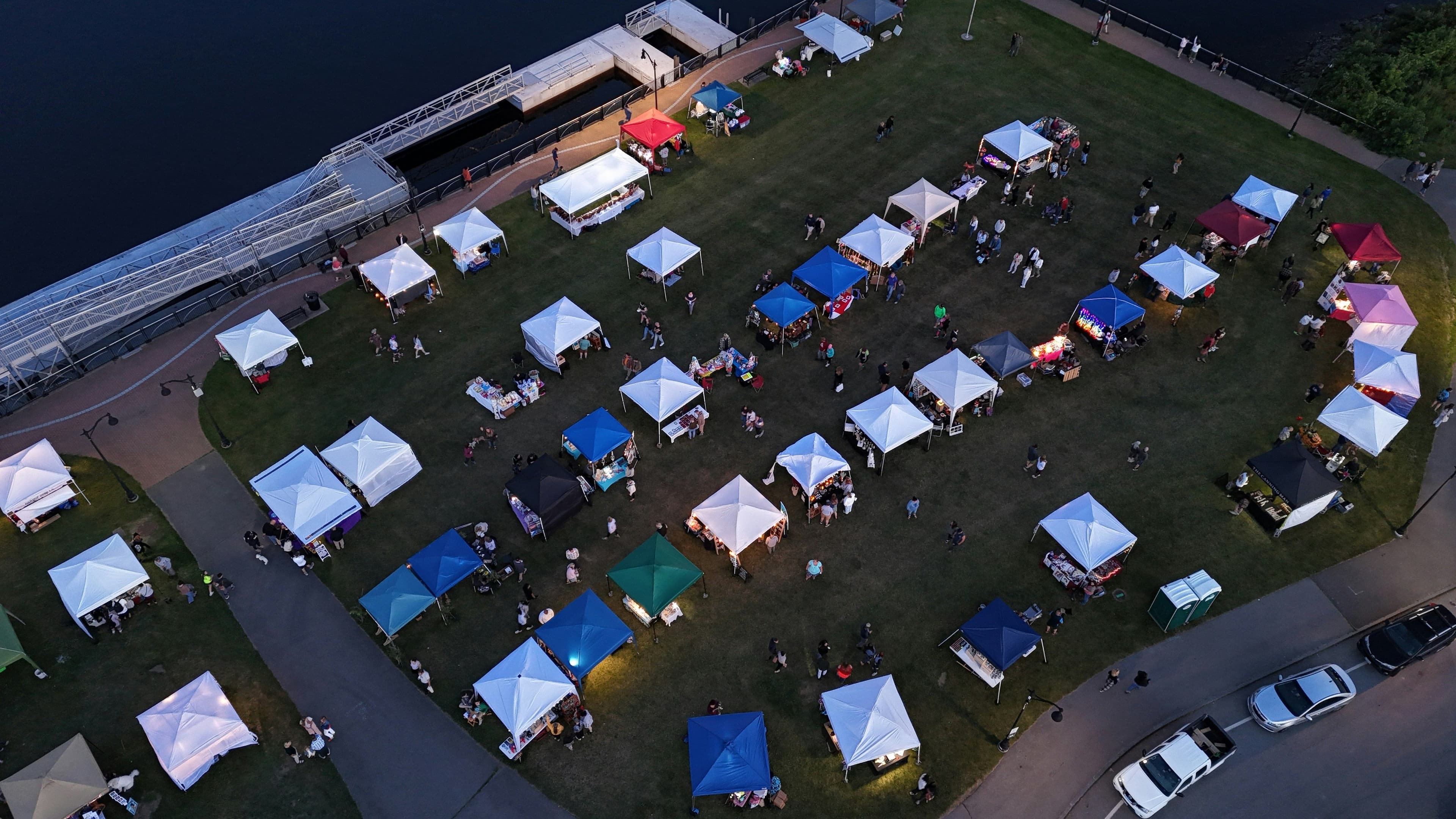
Want to know how to organize a craft fair that vendors and shoppers will love? Planning a craft fair takes work, but with the right steps, you can create an event that brings your community together and supports local makers. This guide walks you through everything from picking a venue to managing vendors on event day.
Why Organize a Craft Fair?
Craft fairs are more than just shopping events. They help local artisans sell their handmade goods. They give shoppers a chance to find unique items they won't see in big stores. And they build community connections that last long after the event ends.
If you're passionate about supporting makers in your area, organizing a craft fair is a great way to make a difference. Plus, a well-run event can become an annual tradition that people look forward to each year.
Step 1: Set Your Goals and Budget
Before you start planning, ask yourself some key questions:
- How many vendors do you want?
- What's your target audience?
- Will you charge admission or keep it free?
- What's your budget for the venue, marketing, and supplies?
Start with a simple budget. Include costs for:
- Venue rental
- Tables and chairs (if not provided)
- Marketing materials
- Permits and insurance
- Event day supplies
Knowing your numbers early helps you set vendor booth fees that cover your costs.
Step 2: Choose the Right Venue
Your venue sets the tone for your entire event. Consider these options:
- Community centers – Often affordable with parking
- Church halls – Great for smaller fairs
- Parks and outdoor spaces – Perfect for spring and fall events
- School gymnasiums – Large spaces with built-in foot traffic
- Empty retail spaces – Unique setting that attracts curious shoppers
When evaluating a venue, think about:
- How much space you need per vendor
- Parking and accessibility
- Restroom facilities
- Climate control (for indoor events)
- Loading and unloading access
Book your venue several months in advance. Popular spaces fill up fast, especially during peak craft fair season.
Step 3: Recruit Quality Vendors
The vendors make your craft fair special. You want a good mix of products so shoppers have variety without too much overlap.
Create clear vendor application guidelines that explain:
- Booth fees and what's included
- Setup and breakdown times
- Product requirements (handmade only, no resale items, etc.)
- Insurance requirements
- Cancellation policies
Spread the word about your event through:
- Local craft groups on social media
- Maker spaces and art centers
- Previous vendors from other markets
- Online vendor directories
Using vendor management software makes it easy to track applications, collect payments, and communicate with your vendors in one place.
Step 4: Plan Your Layout
A good floor plan keeps traffic flowing and gives every vendor a fair chance at sales.
Tips for a great layout:
- Put high-traffic vendors (like food) in back corners to draw people through
- Leave wide aisles for strollers and wheelchairs
- Group similar vendors apart so they're not competing directly
- Include rest areas with seating
- Mark emergency exits clearly
Create a map and share it with vendors before the event so they know exactly where to set up.
Step 5: Market Your Craft Fair
Even the best craft fair needs promotion. Start marketing 6-8 weeks before your event.
Online Marketing
- Create a Facebook event and share it in local community groups
- Post on Instagram with photos from vendors
- List your event on local event calendars
- Send press releases to local newspapers and blogs
Local Marketing
- Put up flyers at coffee shops, libraries, and community boards
- Partner with local businesses for cross-promotion
- Ask vendors to share the event with their customers
What to Include in Your Marketing
- Date, time, and location
- Number of vendors
- What types of items shoppers can find
- Special features (live music, food trucks, kids' activities)
- Parking information
Step 6: Handle Logistics for Event Day
The week before your craft fair, confirm all the details:
For Vendors:
- Send a reminder email with setup times and location details
- Include the venue address, parking instructions, and your phone number
- Remind them what's provided (tables, chairs, electricity) and what to bring
For Your Team:
- Assign roles (check-in, setup help, information booth, cleanup)
- Create a timeline for the day
- Prepare a vendor check-in list
- Have cash on hand for emergencies
Supplies to Bring:
- First aid kit
- Extension cords and power strips
- Duct tape and scissors
- Extra tables and chairs
- Signage and directional signs
- Cash box for any on-site payments
Step 7: Run a Smooth Event
On the day of your craft fair:
- Arrive early to unlock the venue and direct vendors
- Have a check-in table where vendors confirm their spot
- Walk the floor regularly to solve problems quickly
- Take photos for future marketing
- Be visible and available for questions
Things will go wrong. A vendor might not show up. The weather might change. Someone will need an extra outlet. Stay calm and handle each issue as it comes.
Step 8: Follow Up After the Event
Your work isn't done when the last shopper leaves.
Within a Week:
- Send thank-you emails to vendors
- Ask for feedback through a short survey
- Pay any outstanding invoices
- Post photos on social media and tag vendors
For Future Planning:
- Review what worked and what didn't
- Note which vendors had strong sales
- Calculate your final budget numbers
- Start a list of improvements for next time
Gathering feedback helps you organize better events in the future.
Tips for First-Time Craft Fair Organizers
- Start small – 20-30 vendors is manageable for your first event
- Get help – Recruit volunteers or co-organizers
- Plan for weather – Have a backup plan for outdoor events
- Visit other fairs – See what works and what doesn't
- Use technology – Event management tools save hours of manual work
FAQ
How far in advance should I start planning a craft fair?
Start planning at least 4-6 months before your event date. This gives you time to secure a venue, recruit vendors, and market the event properly. Popular venues and high-quality vendors book up quickly.
How much should I charge for vendor booth fees?
Booth fees typically range from $50 to $200 depending on your location, venue costs, and what's included. Cover your expenses first, then add a small margin. Consider offering early-bird discounts to encourage early sign-ups.
Do I need insurance for a craft fair?
Yes, event liability insurance protects you if someone gets hurt at your event. Most venues require proof of insurance before they'll rent to you. Costs typically range from $150 to $300 for a single-day event.
How do I handle vendors who sell similar items?
Set clear guidelines in your application about product categories. Limit the number of vendors per category (for example, only 2 jewelry vendors). Review all applications before accepting to ensure good variety.
What makes a craft fair successful?
A successful craft fair has quality vendors with unique products, strong marketing that brings in shoppers, good organization that makes vendors want to return, and a welcoming atmosphere that keeps people browsing.
Ready to Organize Your Craft Fair?
Planning a craft fair is a lot of work, but seeing vendors make sales and shoppers find treasures makes it all worth it. With careful planning and the right tools, you can create an event your community will love.
Looking for an easier way to manage vendors and promote your event? Events Near Me helps organizers handle applications, payments, and communication all in one place. See how our tools can help you run a better craft fair.