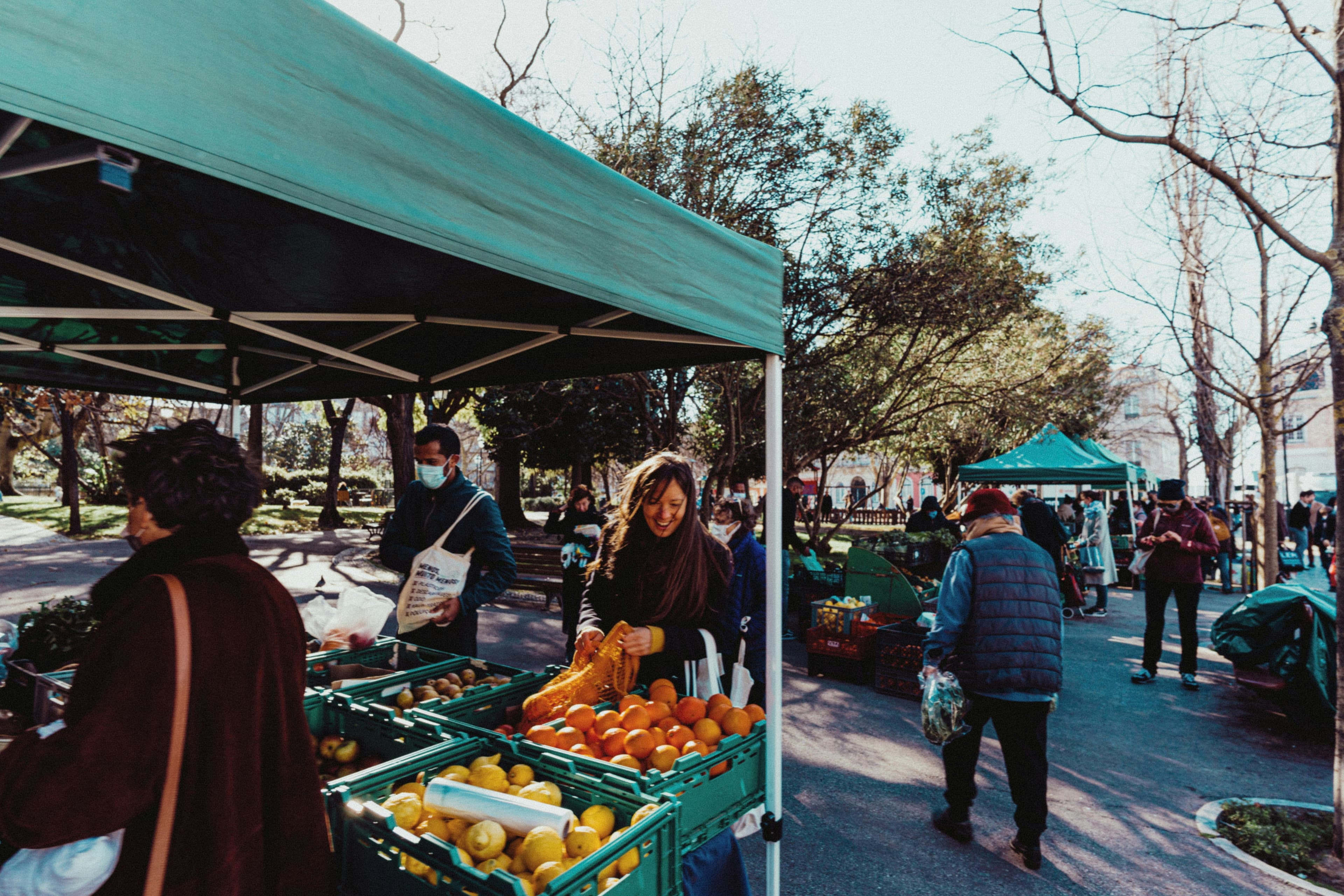
Farmers markets offer one of the best opportunities for small business owners, artisans, and local producers to connect directly with customers. Whether you're selling homemade jams, fresh produce, handcrafted jewelry, or baked goods, learning how to sell at a farmers market can transform your hobby into a thriving business.
But getting started isn't always straightforward. From finding the right market to securing a vendor spot, there's a lot to navigate. This guide walks you through everything you need to know to successfully sell at farmers markets—and grow your vendor business.
Why Sell at Farmers Markets?
Before diving into the how, let's talk about the why. Farmers markets offer unique advantages that other sales channels simply can't match:
- Direct customer relationships: You meet your customers face-to-face, build loyalty, and get immediate feedback on your products.
- Higher profit margins: Without middlemen or retailer markups, you keep more of what you earn.
- Low startup costs: Compared to opening a retail store, vendor booth fees are minimal—often $25-100 per market day.
- Community connection: Markets bring together like-minded vendors and customers who value local, handmade, and sustainable products.
- Test your products: Markets are perfect for testing new products and pricing strategies before scaling up.
Step 1: Find the Right Farmers Markets
Not all farmers markets are created equal. The key to success is finding markets that match your products, target audience, and business goals.
Research Local Markets
Start by visiting markets as a customer. Pay attention to:
- How busy is the market? More foot traffic typically means more sales.
- What types of vendors are already there? Look for markets that need your product category.
- Who shops there? Match your products to the demographic.
- What do vendors charge? This helps you understand pricing expectations.
Use Online Resources
Finding markets used to mean endless scrolling through Facebook groups. Now, platforms like Events Near Me make it easy to discover vendor opportunities in your area. You can search by location, event type, and vendor category—all in one place.
Step 2: Apply for a Vendor Spot
Most farmers markets require vendors to apply before joining. Here's how to create an application that stands out:
What to Include in Your Application
- Clear product descriptions: Explain exactly what you sell and what makes your products special.
- High-quality photos: Show your products and booth setup. Organizers want to visualize how you'll fit into their market.
- Your story: Share why you started your business. Markets love vendors with authentic stories.
- Required documentation: This may include business licenses, liability insurance, health permits (for food vendors), or cottage food certifications.
Tips for Getting Accepted
- Apply early—popular markets fill up fast, sometimes months in advance.
- Follow up politely if you don't hear back within the stated timeline.
- Start with smaller markets to build your track record, then apply to larger ones.
- If rejected, ask for feedback—many organizers will tell you what they're looking for.
Step 3: Handle Permits and Legal Requirements
Depending on what you sell and where you're located, you may need specific permits and licenses:
- Business license: Most areas require a general business license, even for small vendors.
- Sales tax permit: Required to collect and remit sales tax on your products.
- Health department permits: Essential for food vendors. Requirements vary widely by state.
- Liability insurance: Many markets require vendors to carry general liability insurance ($1-2 million coverage is common).
Pro tip: Contact your local Small Business Development Center (SBDC) for free guidance on requirements in your area.
Step 4: Set Up Your Booth for Success
Your booth is your storefront. A well-designed setup attracts customers and makes selling easier.
Essential Equipment
- Tent/canopy (10x10 is standard): Invest in a quality tent with weights—many markets require tents to be secured.
- Tables and tablecloths: Use tablecloths that reach the ground to hide storage underneath.
- Display risers and stands: Create visual interest by displaying products at different heights.
- Signage: Clear, readable signs with your business name and prices.
- Payment processing: Accept cards with Square, PayPal, or similar—many customers don't carry cash.
Booth Design Tips
- Create a focal point that draws the eye from across the market.
- Keep your best-sellers at eye level and within easy reach.
- Leave space for customers to step into your booth—don't block the entrance.
- Use consistent branding (colors, fonts, style) across all materials.
Step 5: Price Your Products Right
Pricing can make or break your farmers market business. Here's how to find the sweet spot:
Calculate Your True Costs
Include everything: materials, labor (pay yourself!), booth fees, gas, packaging, insurance, and equipment depreciation. Many new vendors undercharge because they forget hidden costs.
Research Your Competition
Visit other markets and note what similar products sell for. You don't have to match their prices, but you should understand where you fit in the market.
Pricing Strategies That Work
- Round numbers: Use $5, $10, $15—it makes transactions faster with cash.
- Bundle deals: "3 for $10" increases average purchase size.
- Premium positioning: Don't be afraid to charge more for quality. Customers at farmers markets expect to pay more for local, handmade goods.
Step 6: Master the Art of Selling
Great products won't sell themselves. Your approach matters just as much as what you're selling.
Engage Without Being Pushy
- Greet everyone who passes with a smile and friendly hello.
- Stand in front of your table, not behind it—this feels more welcoming.
- Ask open-ended questions: "What brings you to the market today?"
- Offer samples if possible—nothing sells food products faster.
Tell Your Story
People buy from people they connect with. Share why you make what you make, where your ingredients come from, or what inspired your craft. Authenticity builds loyalty.
Step 7: Build Long-Term Success
The most successful farmers market vendors think beyond single transactions. Here's how to build a sustainable business:
Collect Customer Information
Start an email list or social media following. Let customers know when you'll be at upcoming markets or if you're launching new products.
Expand to Multiple Markets
Once you've mastered one market, consider selling at additional locations. Use tools like Events Near Me to find pop-up markets, craft fairs, and other vendor opportunities nearby.
Track Your Numbers
Keep records of sales, expenses, and which products perform best. This data helps you make smarter decisions about inventory, pricing, and which markets to prioritize.
Common Mistakes New Vendors Make
- Underpricing: You can always lower prices later—it's harder to raise them.
- Bringing too much inventory: Start small and scale up based on demand.
- Sitting behind the table: This creates a barrier between you and customers.
- Not accepting cards: You'll lose sales from customers who don't carry cash.
- Giving up too soon: It takes 3-4 markets before customers start recognizing you and becoming regulars.
Ready to Start Selling at Farmers Markets?
Selling at farmers markets is one of the most rewarding ways to grow a small business. You get to connect with your community, share what you're passionate about, and build something meaningful—all while earning income doing what you love.
The hardest part is getting started. Take the first step today: create your free vendor profile on Events Near Me, start browsing vendor opportunities in your area, and apply to your first market.
Your farmers market journey starts now. We can't wait to see you out there.