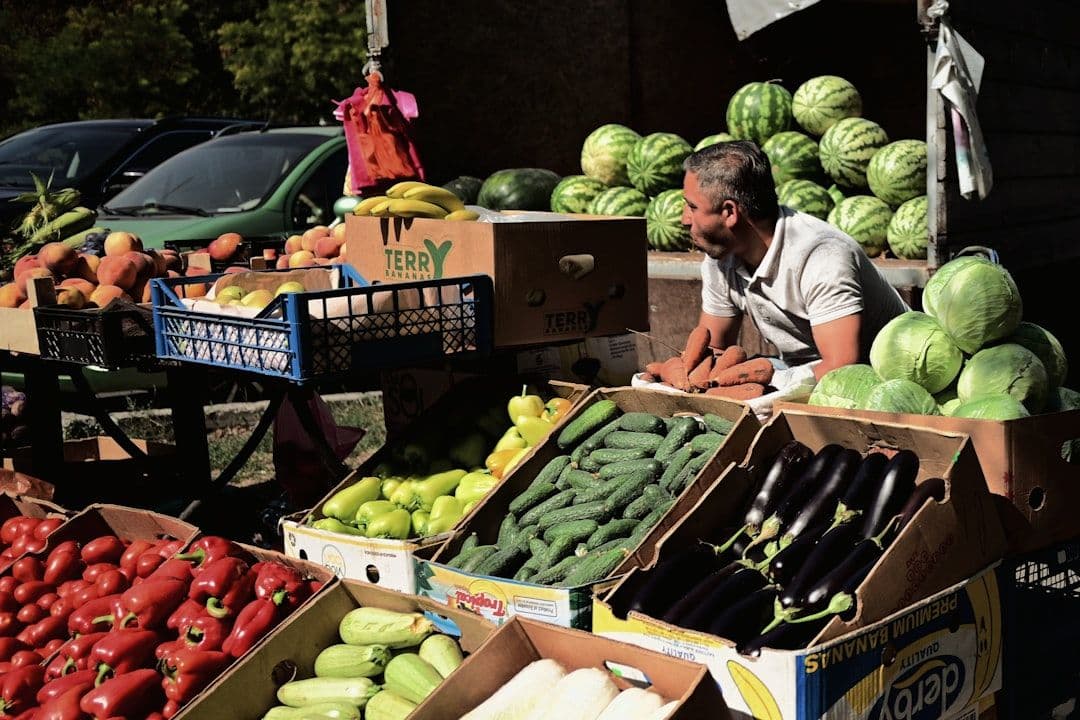
Starting a farmers market is one of the most rewarding ways to bring your community together while supporting local farmers, artisans, and small businesses. Whether you're a community organizer, local government official, or passionate entrepreneur, this guide will walk you through everything you need to know about launching a successful farmers market.
Why Start a Farmers Market?
Farmers markets have experienced tremendous growth over the past two decades, and for good reason. They serve as vital economic engines for local communities, providing farmers with direct-to-consumer sales opportunities while giving shoppers access to fresh, locally-grown produce.
Beyond the economic benefits, farmers markets create gathering spaces where neighbors connect, children learn about where their food comes from, and communities strengthen their bonds. They often become the heartbeat of a neighborhood, drawing visitors from surrounding areas and boosting foot traffic for nearby businesses.
Step 1: Research and Planning
Before you dive into logistics, take time to thoroughly research your market. Start by identifying whether your community truly needs a farmers market. Consider these questions:
- Are there existing farmers markets in your area? If so, is there room for another?
- What days and times would work best for your target community?
- Are there enough local farmers and vendors interested in participating?
- What type of market do you envision – produce-focused, artisan-heavy, or a mix?
Visit other successful farmers markets in neighboring communities. Talk to their organizers about challenges they've faced and lessons they've learned. This reconnaissance will prove invaluable as you develop your own market.
Step 2: Build Your Team
Running a farmers market is too big a job for one person. You'll need to assemble a dedicated team of volunteers and, eventually, paid staff. Consider forming a nonprofit organization or partnering with an existing community organization.
Key roles to fill include:
- Market Manager: Oversees day-to-day operations
- Vendor Coordinator: Recruits and manages relationships with vendors
- Marketing Lead: Handles promotion and community outreach
- Volunteer Coordinator: Organizes the volunteer workforce
- Financial Administrator: Manages budgets, fees, and expenses
Many successful markets start with an all-volunteer board and add paid positions as the market grows and generates revenue.
Step 3: Secure Your Location
Location can make or break your farmers market. The ideal spot should be highly visible, easily accessible, and have adequate parking. Popular choices include:
- Downtown main streets or plazas
- Church or school parking lots
- Public parks
- Shopping center parking lots
When evaluating locations, consider foot traffic patterns, proximity to public transportation, available utilities (electricity and water are essential), and restroom access. You'll also need to secure permission from property owners and obtain any necessary permits.
Step 4: Navigate Permits and Regulations
Farmers markets must comply with various local, state, and sometimes federal regulations. Common requirements include:
- Business license or permit
- Health department permits for food vendors
- Zoning approval for your location
- Insurance coverage (general liability at minimum)
- Temporary use permits if on public property
Contact your local health department and city planning office early in the process. They can guide you through specific requirements for your area. Many communities have become increasingly supportive of farmers markets and may offer streamlined permitting processes.
Step 5: Establish Market Rules and Vendor Guidelines
Clear rules protect both you and your vendors. Develop comprehensive guidelines that cover:
- Eligible products (locally grown, handmade, resale policies)
- Vendor fees and payment schedules
- Setup and breakdown times
- Display and signage requirements
- Food safety and handling protocols
- Cancellation and refund policies
- Code of conduct for vendors and customers
Be specific but fair. The goal is to create a level playing field that encourages quality while remaining accessible to small-scale producers.
Step 6: Recruit Your Vendors
With your infrastructure in place, it's time to recruit vendors. Start by reaching out to:
- Local farms and orchards
- Bakeries and food producers
- Artisan craft makers
- Specialty food vendors
- Local nonprofit organizations
Make the application process simple and transparent. Use platforms like Events Near Me to post your vendor opportunities and reach a wider audience of qualified vendors who are actively looking for markets.
Consider offering reduced fees for your first season to attract vendors. You might also reserve some spaces for rotating guest vendors to keep your market fresh and interesting.
Step 7: Create Your Marketing Strategy
Even the best farmers market needs effective promotion. Develop a multi-channel marketing approach:
- Social Media: Create accounts on Facebook, Instagram, and other platforms where your community is active
- Local Media: Send press releases to local newspapers, radio stations, and TV channels
- Community Partnerships: Partner with local businesses, schools, and organizations
- Signage: Invest in professional banners and directional signs
- Email Newsletter: Build a subscriber list to announce weekly highlights
Feature your vendors in your marketing materials. Shoppers love learning the stories behind the people who grow their food and make their products.
Step 8: Plan Your Opening Day
Your opening day sets the tone for your entire market. Plan every detail carefully:
- Arrive early to direct vendor setup
- Have volunteers stationed at entrances to welcome visitors
- Prepare a ribbon-cutting ceremony with local officials
- Offer special activities like live music or cooking demonstrations
- Collect email addresses for your newsletter
- Document everything with photos and video
Expect some hiccups – they're inevitable. What matters is how you handle them gracefully and learn from them for future weeks.
Step 9: Manage Ongoing Operations
Running a farmers market is a weekly commitment. Establish systems for:
- Vendor check-in and fee collection
- Customer feedback and complaints
- Weather contingency plans
- Vendor performance evaluation
- Financial tracking and reporting
Regular communication with vendors is essential. Hold occasional vendor meetings to discuss concerns, share feedback, and plan for seasonal changes.
Step 10: Grow and Evolve
Successful farmers markets continually evolve. After your first season, conduct a thorough evaluation. Survey vendors and customers about their experience. Analyze your finances and attendance data.
Look for opportunities to expand:
- Add new vendor categories
- Extend your season
- Introduce special events and themed markets
- Partner with local organizations for programming
- Apply for grants to improve infrastructure
Financial Considerations
Starting a farmers market requires some upfront investment. Budget for:
- Legal and incorporation fees
- Insurance premiums
- Marketing materials
- Equipment (tables, tents, signage)
- Permit fees
- Staff or contractor payments
Revenue typically comes from vendor fees, sponsorships, and sometimes grants. Most markets charge vendors either a flat weekly fee or a percentage of sales. Research what similar markets charge to set competitive rates.
Common Challenges and Solutions
Every market faces obstacles. Here are solutions to common challenges:
Challenge: Low customer turnout
Solution: Increase marketing efforts, survey the community about preferred times, add entertainment and activities
Challenge: Vendor no-shows
Solution: Implement clear cancellation policies with penalties, maintain a waitlist of backup vendors
Challenge: Weather disruptions
Solution: Establish clear policies for rain or extreme heat, invest in heavy-duty tents, consider a covered backup location
Challenge: Competition from grocery stores
Solution: Emphasize the unique value of local, fresh products and personal connections with growers
Conclusion
Starting a farmers market is a significant undertaking, but the rewards – for you, your vendors, and your community – make it worthwhile. By following these steps and remaining flexible and responsive to your community's needs, you can create a thriving market that becomes a beloved local institution.
Ready to start recruiting vendors for your farmers market? Create your free organizer profile on Events Near Me to post your vendor opportunities and connect with local farmers and artisans looking for markets in your area.