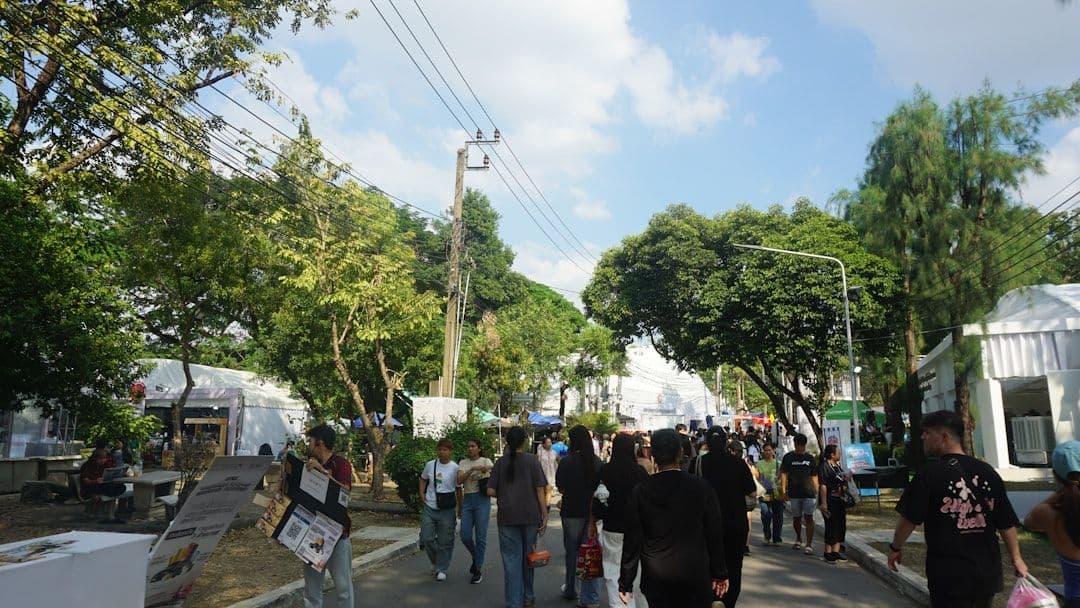
Pop-up markets have exploded in popularity, offering shoppers unique experiences and vendors flexible selling opportunities. If you've been dreaming of starting your own pop-up market, this guide covers everything from initial concept to successful execution.
What Is a Pop-Up Market?
A pop-up market is a temporary retail event where multiple vendors gather to sell products for a limited time – anywhere from a single day to several weeks. Unlike permanent farmers markets with year-round schedules, pop-ups can occur monthly, seasonally, or for special occasions.
Pop-up markets come in many forms:
- Artisan and craft markets
- Food and beverage festivals
- Holiday shopping markets
- Vintage and antique fairs
- Night markets
- Theme-specific events (sustainability, local makers, etc.)
The temporary nature creates urgency and excitement that draws both vendors and shoppers looking for unique experiences.
Is Starting a Pop-Up Market Right for You?
Before diving in, honestly assess whether organizing pop-up markets aligns with your goals and capabilities:
Skills You'll Need
- Event planning and logistics coordination
- Vendor relationship management
- Marketing and promotion
- Basic financial management
- Problem-solving under pressure
Time Commitment
Even a one-day pop-up requires weeks of preparation. Expect to invest 40-100+ hours into planning, plus the event day itself.
Financial Investment
Startup costs vary but typically include venue rental, insurance, permits, marketing, and equipment. Budget $2,000-$10,000+ depending on scope.
Risk Tolerance
Pop-ups carry inherent risks: weather, lower-than-expected attendance, vendor no-shows. You need to be comfortable managing uncertainty.
If these requirements feel manageable and exciting rather than overwhelming, read on.
Step 1: Define Your Concept
Successful pop-ups have a clear identity that attracts specific vendors and customers. Define yours:
Choose Your Focus
Will you feature:
- Only handmade artisan goods?
- Local food producers and prepared foods?
- A mix of products and experiences?
- A specific theme (vintage, eco-friendly, cultural)?
Identify Your Audience
Who is your ideal customer?
- Young urban professionals seeking unique goods?
- Families looking for weekend activities?
- Holiday shoppers hunting for gifts?
- Food enthusiasts seeking culinary experiences?
Set Your Scale
Start realistic:
- How many vendors can you realistically manage?
- What venue size makes sense?
- How frequently will you hold events?
Most successful organizers start small (15-30 vendors) and grow based on demand and experience.
Step 2: Choose Your Location
Location significantly impacts your pop-up's success. Consider:
Venue Types
- Parking lots (shopping centers, churches, schools)
- Public parks and plazas
- Warehouse spaces and industrial buildings
- Rooftops
- Historic downtown areas
- Brewery or winery grounds
Evaluation Criteria
- Visibility and foot traffic
- Parking availability
- Accessibility for all attendees
- Utilities (power, water, restrooms)
- Weather protection options
- Venue costs and flexibility
Securing Your Space
Approach venue owners professionally:
- Prepare a written proposal explaining your concept
- Highlight benefits to the venue (foot traffic, positive association)
- Be clear about your needs and timeline
- Discuss liability and insurance requirements
- Negotiate terms that work for both parties
Many venues appreciate pop-ups for the activity they bring. Don't be afraid to ask – the worst they can say is no.
Step 3: Handle Legal Requirements
Pop-up markets operate under various regulations. Requirements vary by location, so research your specific area:
Business Structure
Decide how to organize legally:
- Sole proprietorship (simplest but no liability protection)
- LLC (liability protection with minimal complexity)
- Nonprofit (if your market serves community benefit)
Required Permits
Common permit requirements include:
- Business license
- Special event permit
- Temporary use permit
- Health department permits (if food vendors participate)
- Fire marshal approval for indoor events
- Liquor license if serving alcohol
Insurance
Protect yourself and your event:
- General liability insurance (usually $1-2 million minimum)
- Event cancellation insurance
- Require vendors to carry their own insurance
Work with an insurance broker experienced in events to ensure proper coverage.
Vendor Compliance
Ensure your vendors meet legal requirements:
- Business licenses or seller's permits
- Health permits for food vendors
- Product liability insurance
- Compliance with cottage food laws if applicable
Create a checklist and require documentation before vendors can participate.
Step 4: Develop Your Budget
Financial planning prevents nasty surprises. Create a detailed budget:
Startup Expenses
- Business registration and legal fees
- Insurance deposits
- Marketing materials (logo design, signage, flyers)
- Equipment purchases (tents, tables, sound system)
- Permit fees
Per-Event Expenses
- Venue rental
- Permit fees
- Insurance premiums
- Marketing costs
- Entertainment and activities
- Staff or volunteer costs
- Supplies (tables, chairs, signage)
- Payment processing fees
Revenue Sources
- Vendor booth fees
- Sponsorships
- Entrance fees (less common for markets)
- Food and beverage sales (if you operate your own)
- Merchandise sales
Pricing Your Booths
Research what similar events charge, then consider:
- Your costs and desired profit margin
- What vendors can reasonably afford
- Local market rates
- Value you provide (marketing, foot traffic, organization)
Typical pop-up booth fees range from $75-$500+ depending on location, expected attendance, and market prestige.
Step 5: Recruit Amazing Vendors
Your vendors ARE your product. Great vendors make great markets.
Where to Find Vendors
- List opportunities on platforms like Events Near Me
- Scout at other markets and events
- Search social media hashtags (#localmaker, #handmade, etc.)
- Contact local artisan guilds and associations
- Ask for referrals from early-committed vendors
- Post in relevant Facebook groups
What to Look For
- Product quality and uniqueness
- Professional presentation
- Reliability and communication
- Alignment with your market's theme
- Mix of product categories
Creating Your Application Process
Keep it professional but not bureaucratic:
- Online application form
- Product photos requirement
- Business documentation checklist
- Clear fee structure and policies
- Reasonable deadline with room for review
Curating Your Vendor Mix
Avoid too many vendors selling similar products. Aim for:
- Variety that gives customers reasons to explore the entire market
- Complementary products that create synergies
- Mix of established vendors and promising newcomers
- Balance of price points
Step 6: Create Vendor Guidelines
Clear expectations prevent problems. Document:
Setup and Operations
- Arrival and setup times
- Booth size and layout requirements
- Display standards and restrictions
- Breakdown and cleanup requirements
- Weather contingency plans
Financial Terms
- Fee amounts and payment schedules
- Accepted payment methods
- Refund and cancellation policies
- Late payment consequences
Rules and Conduct
- Product requirements (handmade, local, etc.)
- Pricing and discount policies
- No-compete clauses if applicable
- Code of conduct
- Consequences for violations
Communication
- How you'll share updates
- Emergency contact procedures
- Feedback and complaint processes
Share these guidelines before vendors commit, and require written acknowledgment.
Step 7: Design the Customer Experience
A pop-up market should be an experience, not just a shopping trip.
Layout Planning
Create a flow that encourages exploration:
- Anchor popular vendors at different ends
- Create distinct zones or neighborhoods
- Allow space for comfortable browsing
- Plan for queuing at popular vendors
- Include seating and gathering areas
Activities and Entertainment
Enhance the experience with:
- Live music or DJ
- Food trucks or beverage vendors
- Kids' activities
- Demonstrations or workshops
- Photo opportunities
- Raffle or giveaways
Amenities
Don't forget practical needs:
- Clear signage and wayfinding
- Adequate restrooms
- Seating areas
- Shade or weather protection
- Information booth
- First aid station
Step 8: Market Your Pop-Up
With vendors committed, focus on filling the event with customers:
Build Online Presence
- Create event pages on Facebook and Eventbrite
- List on Events Near Me and other event platforms
- Develop a social media content calendar
- Build an email list for announcements
Local Marketing
- Partner with local businesses for cross-promotion
- Distribute flyers in target neighborhoods
- Secure local media coverage
- Submit to community event calendars
Vendor Promotion
Leverage your vendors' audiences:
- Provide shareable graphics and copy
- Create a unique event hashtag
- Feature vendors in your marketing
- Encourage vendors to invite their customers
Create Urgency
Emphasize the limited-time nature:
- Countdown posts
- Early bird announcements
- Exclusive vendor reveals
- Limited vendor slots remaining
Step 9: Execute Event Day
All your planning comes down to this. Be prepared:
Pre-Event
- Confirm all vendors and assignments
- Prepare site with signage and layout markers
- Brief volunteers on their roles
- Have backup plans for common problems
During the Event
- Arrive early and stay until the end
- Be visible and accessible
- Handle problems quickly and calmly
- Document everything with photos and video
- Collect customer feedback
Post-Event
- Supervise vendor breakdown
- Ensure site is left clean
- Thank vendors and key supporters
- Pay any outstanding obligations
- Gather feedback while fresh
Step 10: Evaluate and Improve
After each event, assess what worked and what didn't:
Metrics to Track
- Total attendance
- Vendor count and satisfaction
- Revenue and profit
- Customer feedback
- Social media engagement
- Media coverage
Debrief Process
- Survey vendors within 48 hours
- Compile customer feedback
- Hold team debrief meeting
- Document lessons learned
- Update procedures for next event
Planning Ahead
Use insights to improve:
- Adjust vendor mix based on sales and feedback
- Refine marketing based on what drove attendance
- Improve logistics based on operational challenges
- Consider expansion or changes in frequency
Common Mistakes to Avoid
Learn from others' failures:
Underestimating Time Needs
Pop-ups require more planning than expected. Start earlier than you think necessary.
Poor Vendor Vetting
One bad vendor affects your whole market's reputation. Thoroughly vet everyone.
Insufficient Marketing
Build in time and budget for promotion. "If you build it, they will come" doesn't work for events.
Weather Arrogance
Always have weather contingency plans. Refusing to cancel or prepare for bad weather can damage your reputation and vendor relationships.
Ignoring Feedback
Vendors and customers will tell you how to improve. Listen to them.
Conclusion
Starting a pop-up market is challenging but incredibly rewarding. You'll create opportunities for local vendors, unique experiences for your community, and potentially a profitable business for yourself. Start small, learn constantly, and don't be afraid to put your unique spin on the pop-up market concept.
Ready to find vendors for your pop-up? Create your free organizer profile on Events Near Me and post your vendor opportunities to reach thousands of vendors looking for events.